
 044-358-81-18




Dental implantation in Kyiv
Dentistry “Interstom” on Shulyavka
Complete tooth loss is more than just an aesthetic issue. It leads to chewing difficulties, a change in appearance, and joint problems.
Implantation is the most modern, safe, and scientifically proven method for replacing lost or extracted teeth. Dental implantation procedures at the Interstom Clinic in Kyiv are performed by an implantologist, who has previously selected the most appropriate type of surgery.
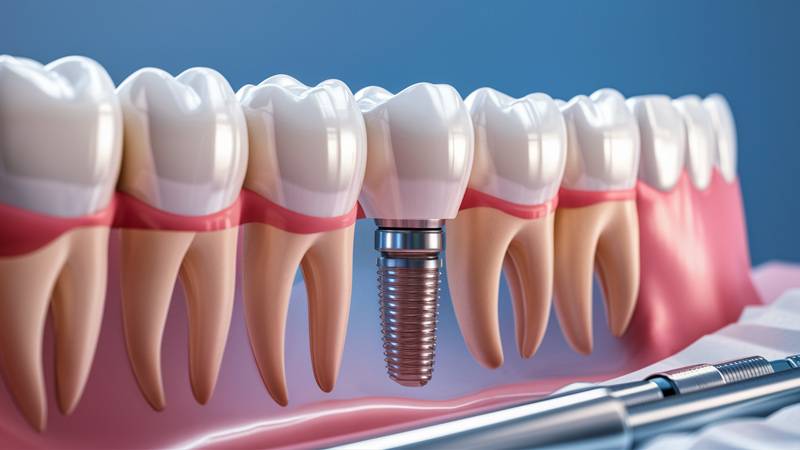
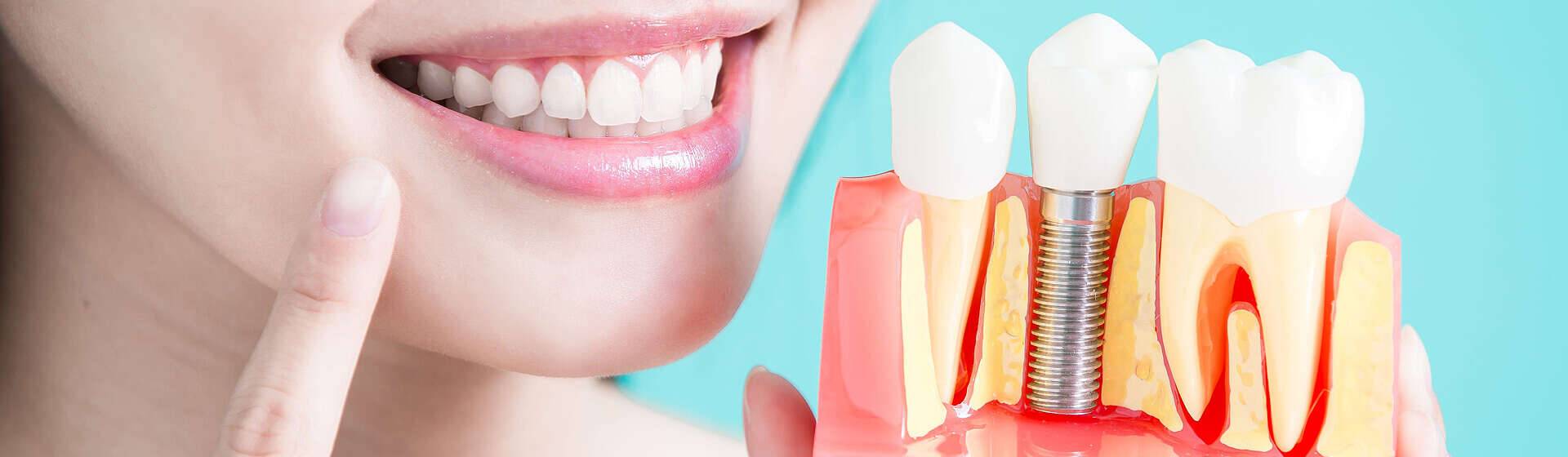
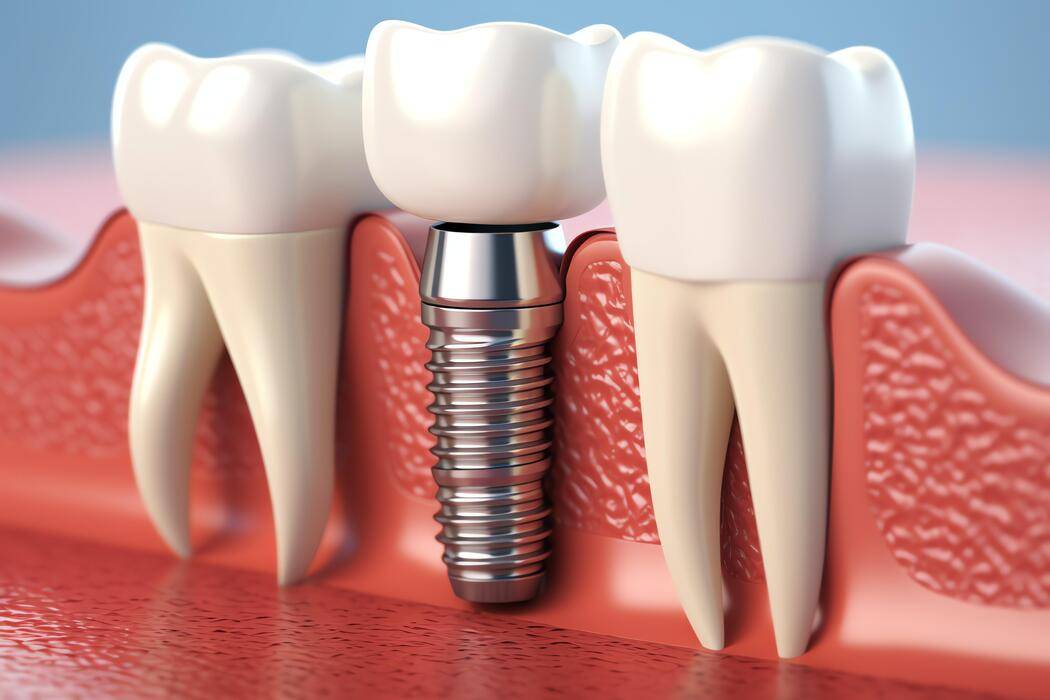
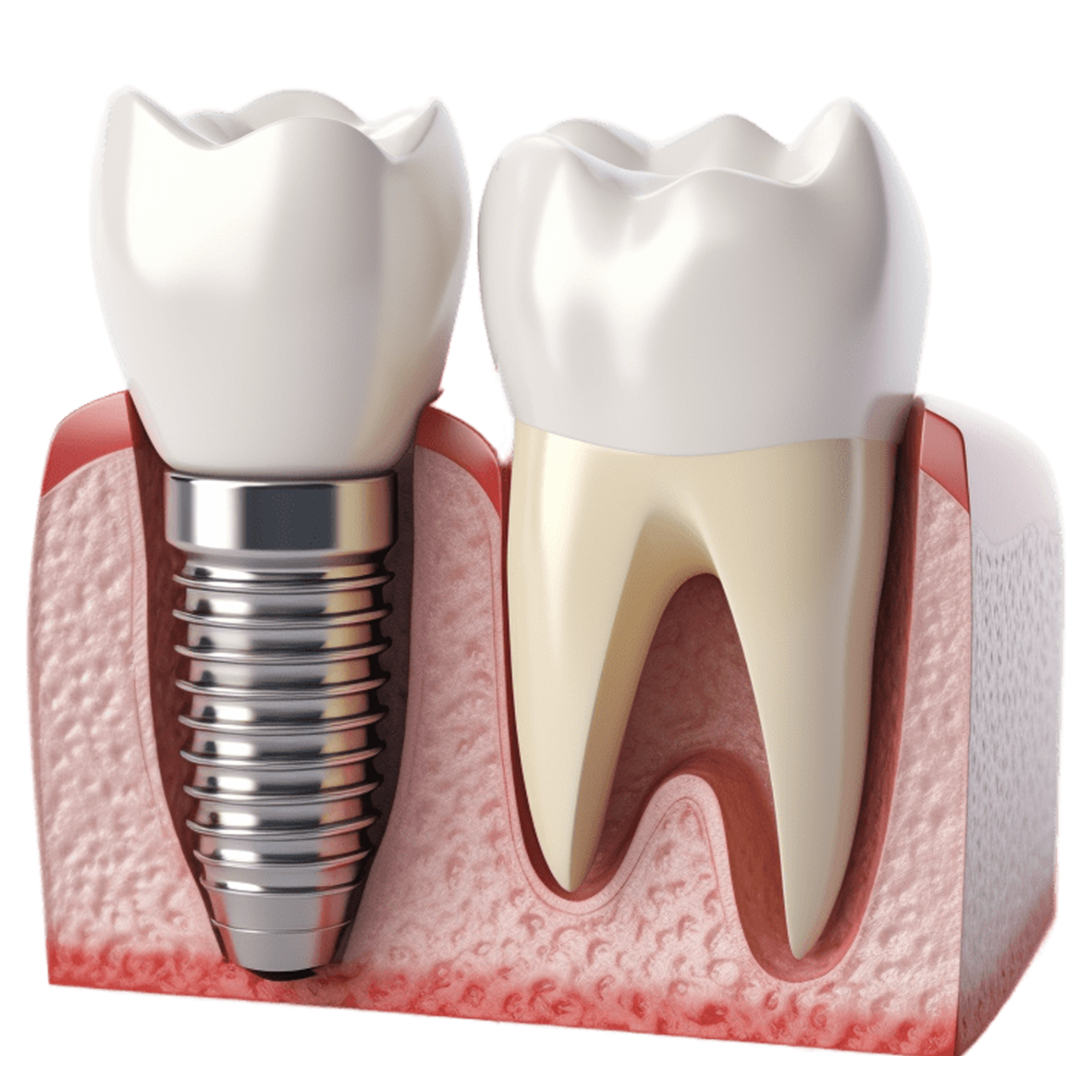
The implantation method involves placing an implant in the bone to replace the missing tooth, onto which a crown of the appropriate shape and color is attached. The implant is a small titanium screw that is screwed into the jaw, permanently replacing the natural tooth root and becoming a support for crowns and bridges. This method does not damage adjacent teeth, and the implant lasts for many years.
Why is dental implantation important?
Every patient is unique. Individuals have different oral health, bone quality, regeneration and metabolic rates, immune system, and underlying medical conditions. The extent of the procedure also varies – some require bone grafting, and the dental implantation process can take up to a year and a half, while others can have it all done in a single step, over a couple of visits, and the implantation is complete within three months.
The technology of implanting a titanium rod into bone tissue followed by crown placement has been successfully used worldwide for decades. One of the main advantages of this method is the ability to replace a missing tooth without grinding down adjacent healthy teeth (as with bridges).
If an entire group of teeth is lost, dentures can be used; however, a conventional denture affects speech, impairs food perception, and generally looks unnatural. Dental implantation provides the most secure fixation, proper distribution of chewing load, a natural appearance of teeth, and a virtually unlimited service life.
The benefits of implantation at Interstom Dentistry
Dental implants in Kyiv: prices, sedation, comfort, and quality
High quality
Quality in everything – implant and crown materials, modern equipment
Biocompatibility
Maximum safety of the materials used for the body
Qualified doctors
The best implant surgeons in Kyiv are true professionals in their field
Anesthesia and sedation
Local anesthesia or medication-induced sleep for pain-free treatment
Durability
The service life of implants is more than 30 years (subject to proper care)
Guarantee
The clinic provides a guarantee for all types of implantation
When is dental implantation necessary?
The absence of one tooth in a row, if the adjacent teeth are not damaged
The absence of two or three adjacent teeth
The last tooth in the row is missing. In this situation, dentures will be difficult to install because two supporting teeth are missing
Missing all teeth. Unable to install another type of denture due to allergies or sensitivity to materials
Implantation Stages
One of the most reliable and safest methods is classical or two-stage dental implantation. It consists of a preliminary stage and two main stages.
After examining and preparing the patient, the implant surgeon places the dental implant and its cap, and a few months later, a gum former is installed.
After this surgical stage, the prosthetic stage—that is, the installation of a crown or bridge—begins a couple of weeks later.
At the Interstom dental clinic, patients undergo the following stages of dental implantation:
1. Patient examination, diagnosis, and treatment planning
Any dental procedure requires preparation: an examination of the patient, the condition of their teeth, and bone tissue. Using X-rays, the implant surgeon accurately assesses the condition of the jawbones and bone density in areas of tooth loss, assessing the completeness of bone restoration in the sockets of missing teeth.
It is also necessary to ensure there are no absolute contraindications; for this purpose, the patient’s blood is tested.
Next, the oral cavity itself is prepared, which may include treatment for caries, periodontitis, and other conditions. In addition, the doctor thoroughly informs the patient about the need for oral hygiene and provides several general recommendations.
Based on the patient’s anatomical data obtained during a computer scan, the implant placement is simulated in software, and a custom implant template is created.
2. Surgical stage
This is essentially what implantation is. In dentistry, implantation begins, like any other surgical procedure, with anesthesia. Local anesthesia helps relieve pain. Sedation (medication-induced sleep) helps calm the patient and make the implantation process comfortable.
After complete anesthesia, an incision is made in the gums, the bone bed is prepared, and the implant is inserted. The wound is then sutured so that the implant itself remains under the gingival mucosa. Inserting one implant takes approximately 30-40 minutes. The sutures are removed 10-12 days after the surgery.
After dental implantation, before implant-supported prosthetics can be performed, time is required for the implant to undergo osseointegration, which is the formation of a strong bond between the implant and the bone tissue.
The osseointegration period (the implant’s integration into the jawbone) typically takes about 3 months for the lower jaw and 4-5 months for the upper jaw. Three to six months after this process is complete, the dentist exposes the implant and places a healing abutment for about 10 days. This is intended to ensure the proper formation of the soft gum tissue in the area where the dental prosthesis will be placed.
3. Prosthetic Stage
This is the final stage of dental implantation. After the prosthetic bed tissues have fully formed, impressions are taken, and the work is transferred to a dental laboratory for the fabrication of the planned prosthetic structure. The prosthetic stage concludes with the creation of a multifunctional, aesthetic prosthetic structure.
To achieve 100% results, not only the professionalism of the doctors and the clinic’s technical equipment are crucial, but also the selection of high-quality implants.
The doctors at the Interstom dental clinic use some of the best implantation systems for both two-stage and single-stage implantation. These systems have a unique structure and a nearly 100% survival rate, and thanks to a wide variety of sizes and shapes, the doctors are able to solve even the most complex clinical cases.
4. Follow-up period
To ensure the success of the implantation, our patients continue to be monitored by doctors and undergo consultations with a dentist for a period of time. This can last from several weeks to several months, depending on the individual patient’s needs.
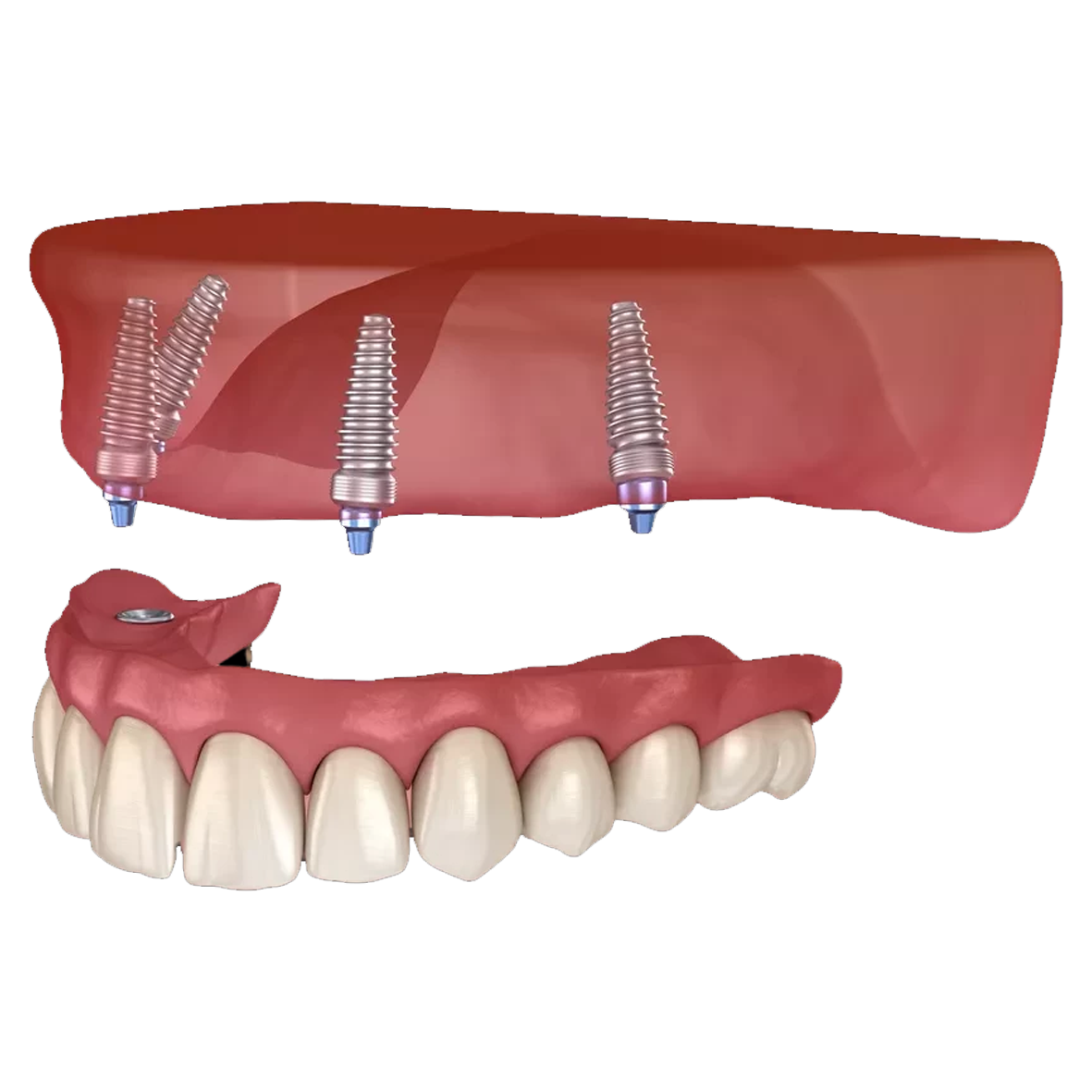
Types of Dental Implantation
There are two main approaches to performing this procedure: classic and one-stage (express implantation).
Classic two-stage implantation is the most versatile approach, allowing for the restoration of missing teeth in any location and for any length of time.
Express implantation is performed immediately after tooth extraction. In this case, site preparation is no longer necessary, as a post is inserted into the resulting socket and a temporary crown is secured to it.
What are dental implants made of?
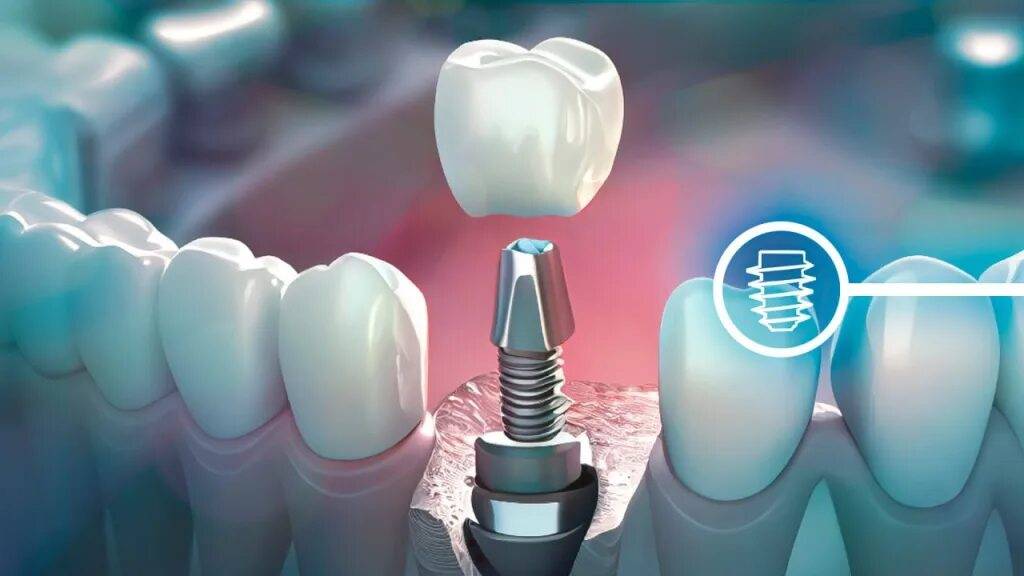
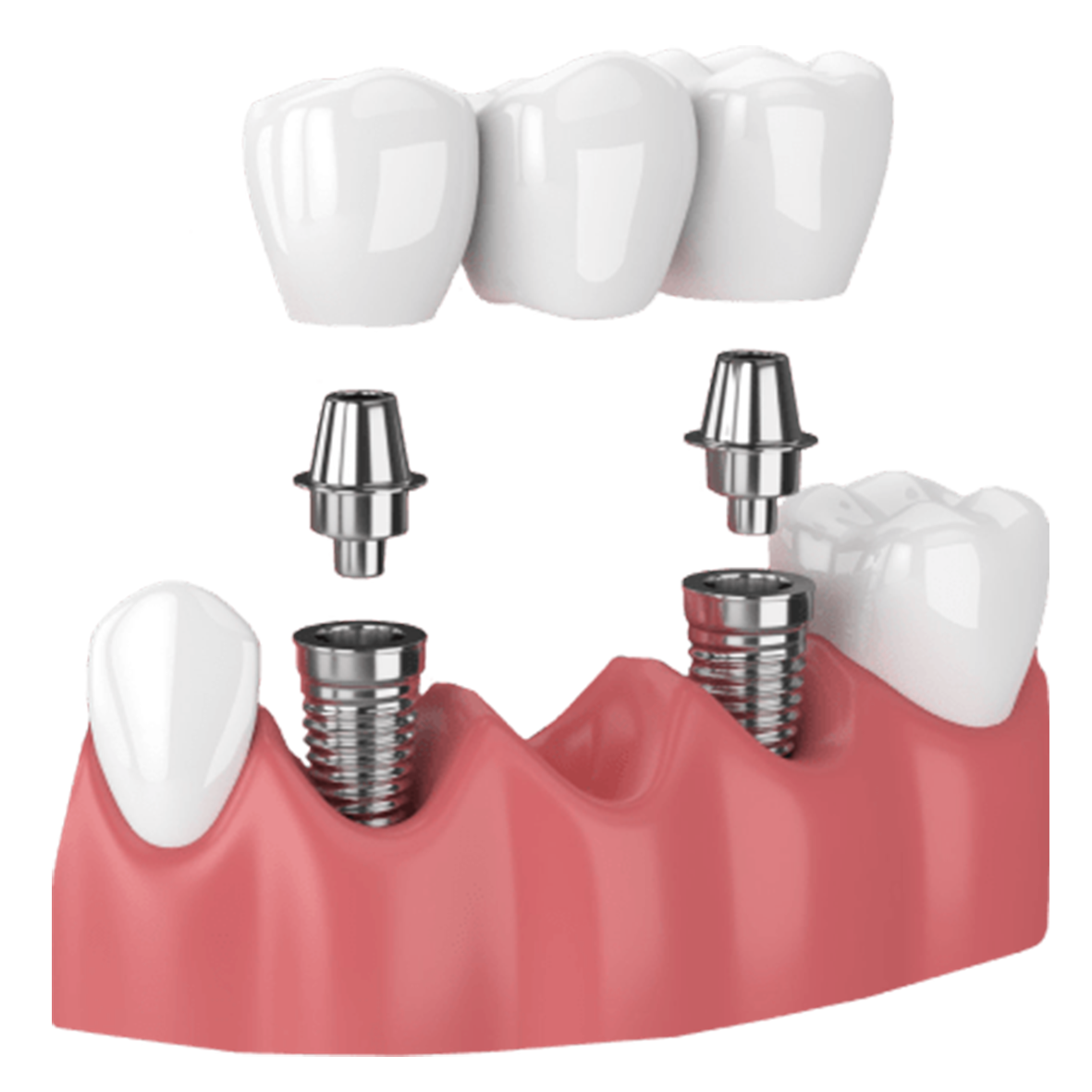
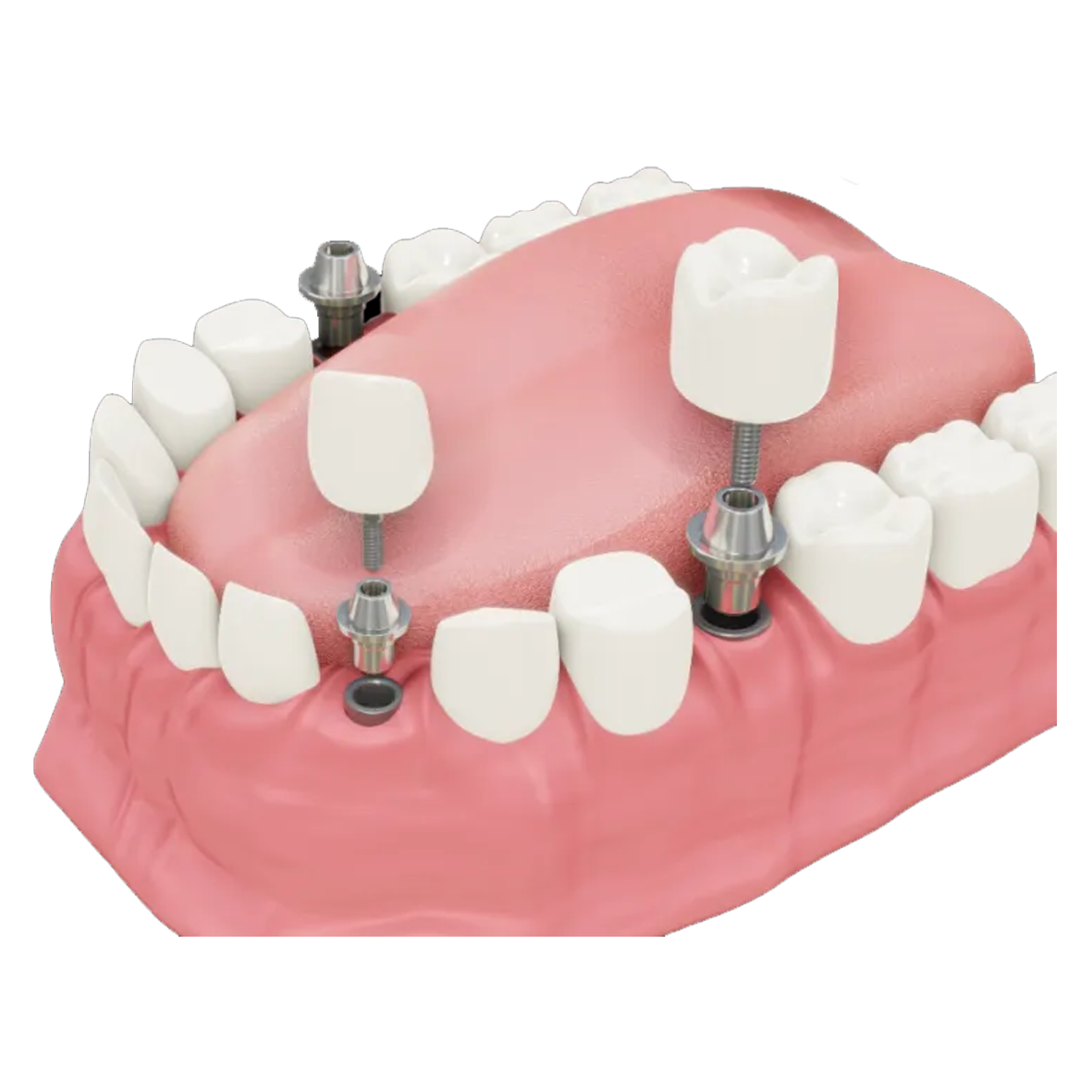
Many patients believe that an implant is an artificial tooth. In reality, an implant is simply an artificial root inserted into the jawbone. Intermediate components (cover screw, gum former) and other parts of the prosthetic structure (abutment, artificial crown) are fixed to it.
The components of an artificial tooth are made from various materials, carefully selected to ensure maximum biocompatibility, durability, and load-bearing capacity.
The main components of an artificial tooth are:
Implant body (root)
This is a strong screw that is implanted into the jawbone. The body’s main function is to mimic the natural tooth root, providing strong support for the crown and distributing the load during chewing. Grade 4 and Grade 5 titanium alloys are most often used for the body. They are strong and easily integrate into the bone, reducing the risk of rejection and ensuring the long-term stability of the implant. In some cases, a titanium alloy with added zirconium is used.
Cover screw and/or healing abutment
This small but crucial component securely covers the internal portion of the artificial root during healing. The cover screw differs from the healing abutment by its height above the implant platform. Titanium alloys are used for their production because they are biocompatible and corrosion-resistant.
Abutment
An intermediate structural element onto which a crown is secured. Titanium alloys or zirconium dioxide are used for its manufacture. Zirconium abutments provide improved aesthetics due to their white color, which is especially important when restoring anterior teeth. Titanium abutments are more commonly used due to their high strength and durability.
Artificial crown
This is the visible part of an artificial tooth, mimicking the shape and color of a natural tooth. Ceramic and zirconium dioxide are most often used for its manufacture, achieving a high level of aesthetics due to their similarity to natural tooth enamel. Furthermore, all-zirconium crowns are extremely strong, making them suitable for posterior restorations.
Implantation Timeline
The timeline for the implantation procedure primarily depends on the chosen procedure—two-stage or single-stage implantation.
Two-stage implantation requires a significant amount of time, as the implantation procedure must be successful before the crown can be installed. On average, the entire process can take 3-6 months. The timeline is also affected by whether bone grafting (osteoplasty) is performed, as well as the individual patient’s circumstances.
With single-stage express implantation, the implant and temporary crown can be installed in a single visit, but the permanent crown requires time for its fabrication.