 044-358-81-18






Artistic dental restoration
Dentistry in Kyiv on Shulyavka – “Interstom”
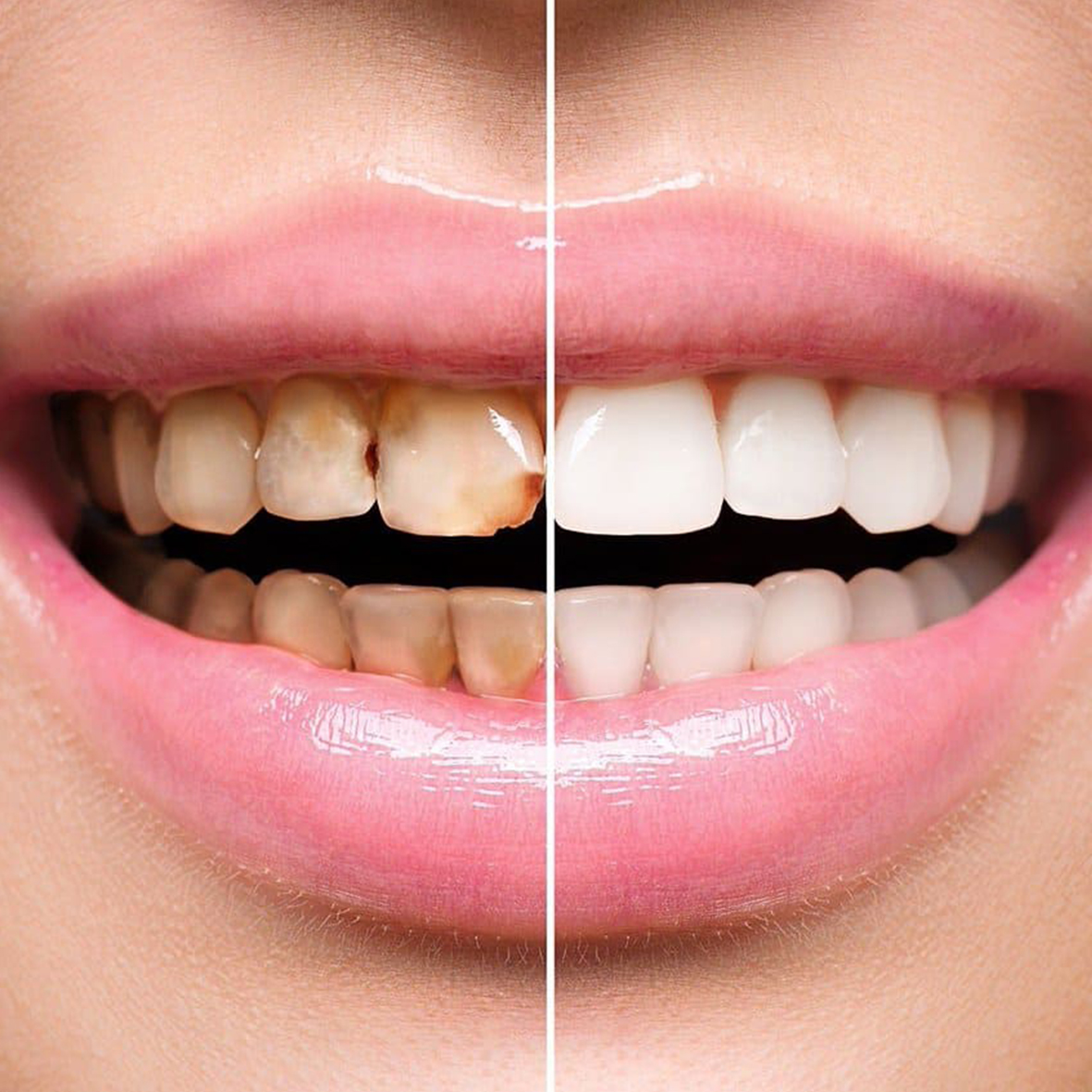
Nowadays, more and more people are thinking about the beauty of their smile. After all, a good smile is not only a guarantee of beauty and self-confidence, but also an important element of the first impression one makes on others.
Artistic dental restoration is a gentle, fast, and personalized way to achieve a bright smile and improve the aesthetic appearance of your teeth. The dentists at Interstom Clinic work like sculptors, creating the true beauty of teeth.
The main goal of artistic dental restoration is to restore the correct shape of teeth in the event of deformation due to any cause or to give them a more beautiful appearance. The modern composite materials used at Interstom Clinic for restoration are highly resistant to wear and damage, making them a reliable choice for long-term dental restoration and a bright smile.
What is artistic dental restoration?
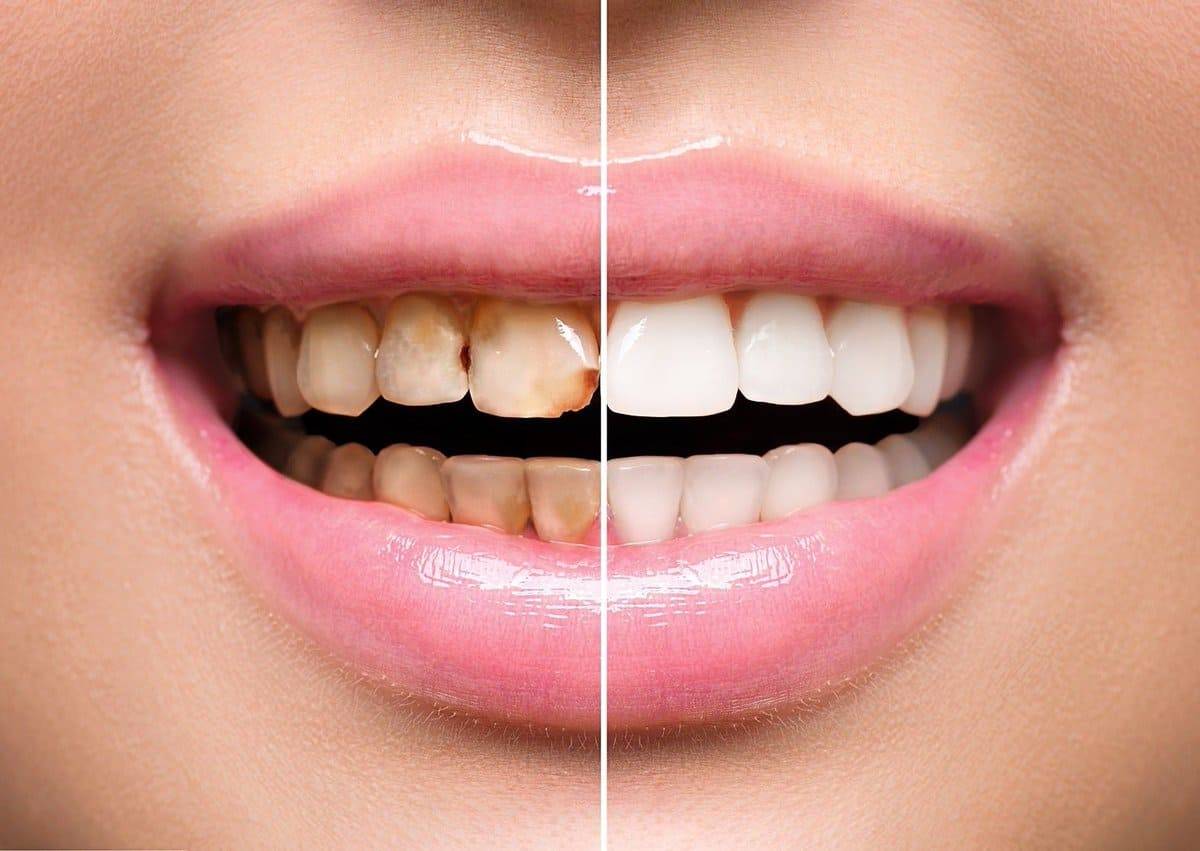
Artistic or aesthetic dental restoration is performed using modern photopolymer materials and achieves high aesthetic results—the restoration site is indistinguishable from natural tooth tissue. Thus, restoration allows for the restoration to restore the original shape and color of teeth.
Direct dental restoration results in the restoration of the aesthetics and original structure of the tooth in the patient’s mouth. Composite fillings are used as the restorative material. In cases of significant tooth loss, posts—rods made of fiberglass, ceramic, or metal alloys—are used. The posts are fixed in the root canal and act as support for the composite material.
Direct dental restoration helps restore the anatomically correct shape of the tooth using plastic materials. The modeling is performed by a dentist directly in the mouth. To ensure the most accurate match between the material and the mechanical characteristics of the tooth and its color, dentists layer materials of different shades and properties. The result is a complete imitation of highly durable translucent enamel.
The strength of photocomposites allows them to be used to restore both anterior and posterior teeth, which bear the greatest load. Many of these materials contain fluoride ions, which helps prevent the development of secondary caries across the entire surface of the filling. When restoring irregularly shaped teeth, their visual contours are often corrected, their angles are smoothed or, conversely, sharpened, creating a unique, individual smile. Modern materials are ideal for closing gaps between teeth, changing their shape, size, and color.
Direct artistic restoration has the following advantages:
- Requires minimal preparation of healthy tissue;
- Completed in a single dental visit;
- Multiple teeth can be restored simultaneously in a single visit;
- There is no need for the patient to wear temporary restorations;
- Regular restoration is easy to correct after a period of time;
- The cost of dental restoration is usually less than the cost of any orthopedic (indirect) restoration.
Indirect artistic dental restoration utilizes the aesthetic restoration of teeth using veneers, ultraveneers, inlays, and crowns. Indirect restoration is used when hard tooth tissue is lost and involves the fabrication of specialized orthopedic structures in a laboratory setting.
The benefits of artistic dental restoration at Interstom Dentistry
High-quality aesthetic restoration at a dental clinic in Kyiv
Rapidity
The procedure for restoring one tooth usually takes 1-2 hours
High aesthetics
Thanks to modern materials, restored teeth look natural
Qualified doctors
The best dentists in Kyiv will provide high-quality artistic restoration
Preservation of teeth
Artistic restoration requires minimal removal of healthy tissue
Low price
The cost of restoration is significantly lower than the installation of veneers or crowns
Painlessness
The tooth restoration procedure is usually completely painless
When is artistic dental restoration appropriate?
Gaps, cracks between teeth – tremas, diastemas
Cracks and chips in enamel resulting from injuries
Crooked teeth, irregular tooth shape, uneven edge
Caries on the surface of the teeth, defects in the enamel
Aesthetic Dental Restoration: Stages and Features
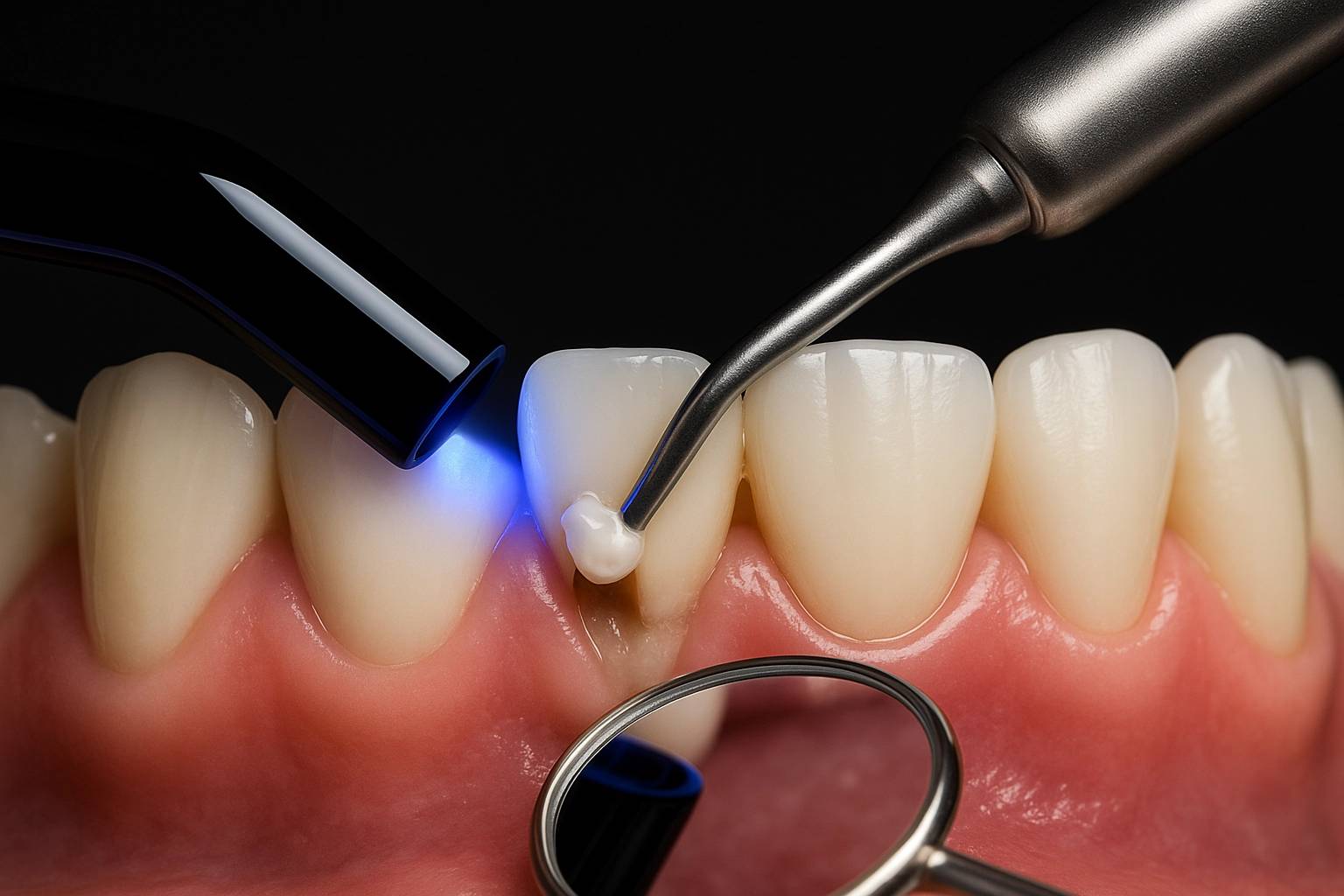
Artistic dental restoration is performed directly in the patient’s mouth. The restored portion of the tooth is formed layer by layer (each layer no more than 2 mm thick) using a special material made of plastic and glass (composite), which hardens when exposed to light.
Modern composite materials perfectly imitate the optical properties of dental tissue and are biocompatible and have no adverse effects on dental tissue. The final stage of artistic restoration is polishing. Natural teeth and composite restorations are polished with special brushes to create a uniform, shiny appearance across the entire row of teeth. This aesthetic restoration allows for the restoration of the original shape and color of teeth. Furthermore, the restoration process is painless, but in cases of tooth hypersensitivity or at the patient’s request, anesthesia can be used.
At the Interstom dental clinic, artistic dental restoration involves the following main stages:
1. Diagnosis and Planning
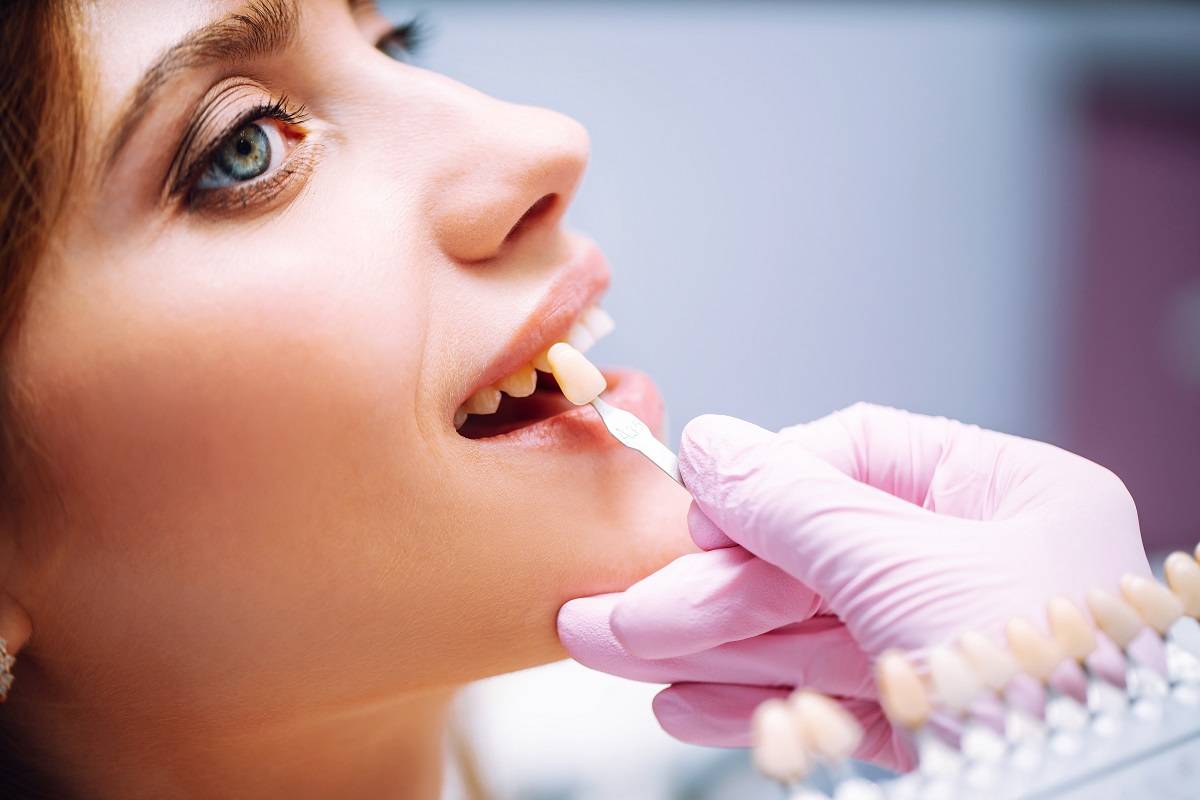
First, the dentist examines the patient and determines the issues that need to be addressed. These may include decay, chips, cracks, or tooth discoloration. At this stage, the dentist and the patient determine the optimal color of the composite material. This is done using a scale—a strip with attached tooth models of different shades. The scale is raised toward the patient’s teeth, and the composite color is matched to the color of the adjacent healthy teeth.
2. Tooth preparation
Before restoration, the tooth must be prepared by removing plaque and decay. The dentist applies a special dental gel to the teeth, removing organic matter to enhance the surface’s adhesion. If endodontic treatment (root canal cleaning, etc.) is required during the procedure, it is performed to the required extent.
3. Tooth Reshaping
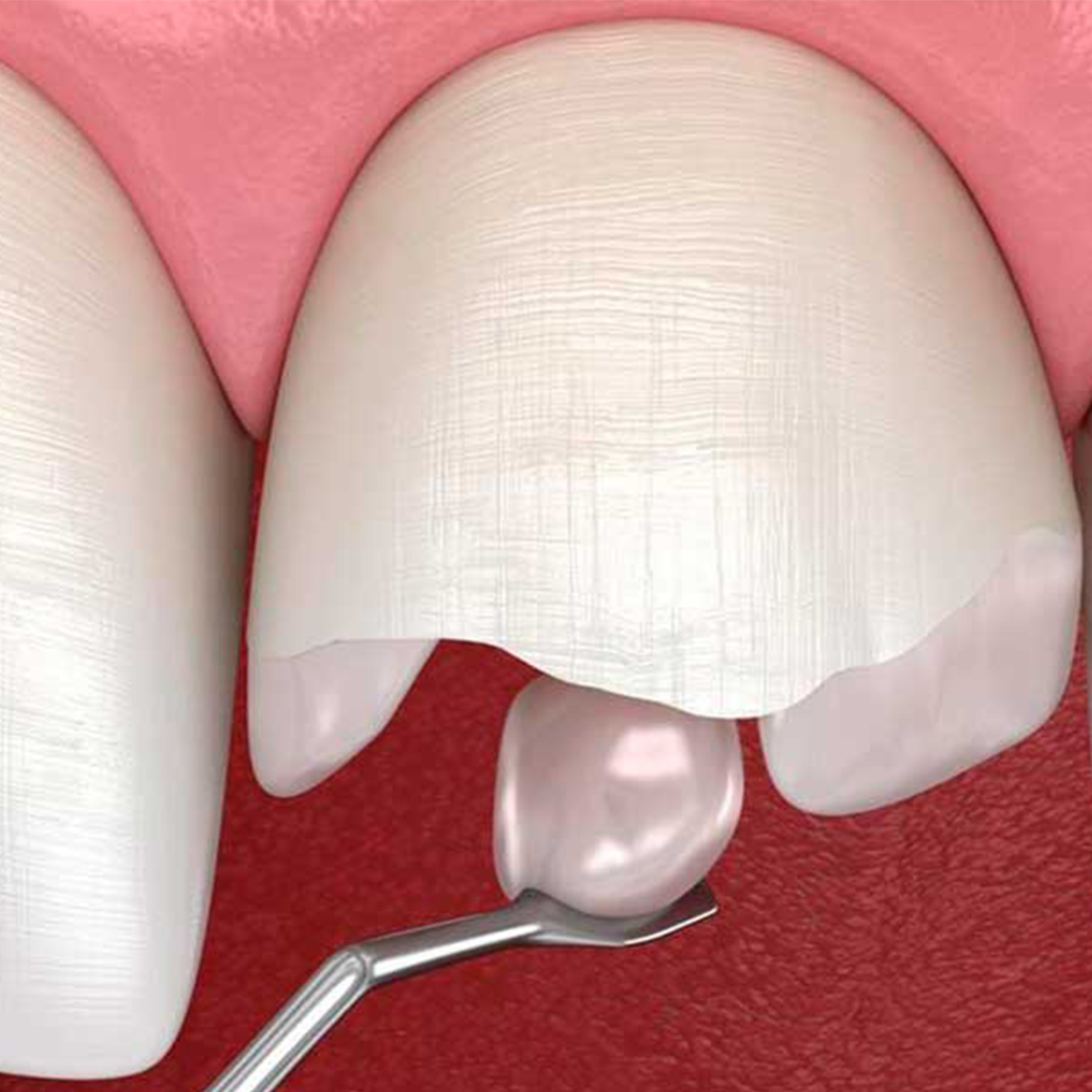
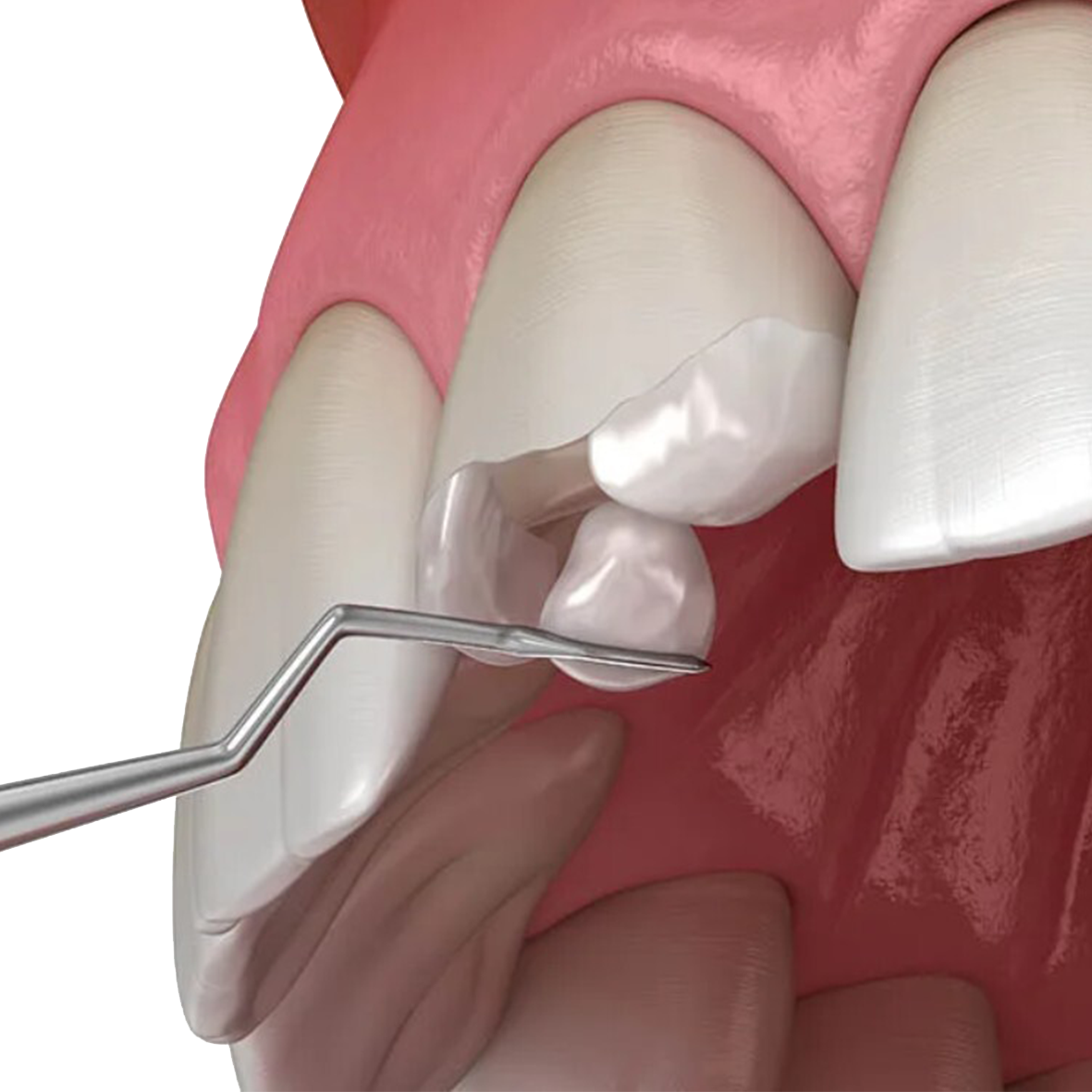
At this stage, the tooth’s aesthetics are restored through layered restoration, which involves the sequential application of several types of compatible composite materials. Each layer is cured with a special lamp. This technique allows the tooth to acquire a natural appearance in daylight. This layered technique is quite labor-intensive and requires attentiveness, patience, and a high level of skill from the dentist.
The success of the restoration depends on how well the tooth is isolated from saliva during the procedure. Moist saliva and the patient’s breath impair the adhesion of filling materials. Therefore, to ensure proper tooth isolation, a rubber dam is used—a latex plate secured in the patient’s mouth with a frame and clamps. Holes are made in the latex for the teeth to be restored, while the rest of the oral cavity is concealed beneath the rubber dam. This allows the patient to breathe freely, swallow saliva, and experience no dry mucous membranes, muscle fatigue, or gag reflex. The oral cavity and respiratory tract are protected from exposure to material particles and chemicals used during composite placement.
This way, the dentist models the tooth, reproducing its anatomical shape as accurately as possible.
4. Finishing
After the modeling is complete, the tooth is ground and polished to achieve a natural shine and smooth surface. This is done using polishing pastes and instruments with varying degrees of abrasiveness.
Recommendations after dental restoration
Artistic restoration imposes certain restrictions on the patient. Afterward, the following should be avoided:
- eating for 3 hours after restoration;
- consuming very hard foods;
- peeling seeds or nuts in the mouth;
- consuming foods with dyes or natural pigments for several days after the procedure (also avoid using lipstick);
- indulging in sweets (their share in the diet should be minimized).
To ensure the longevity of restored teeth, it is recommended to consume hard foods in small portions. It is advisable to refrain from smoking and drinking colored beverages, and to carefully maintain interdental hygiene.