
 044-358-81-18








Dental caries treatment in Kyiv
Interstom is a dental clinic in Shulyavka, Kyiv
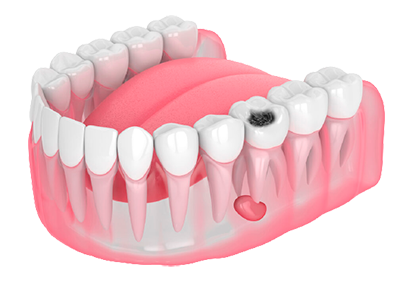
Dental caries is a disease affecting teeth and one of the most common problems patients seek dental care for. According to statistics, 93% of the world’s population suffers from dental caries to some degree.
Dental caries is a condition in which a cavity forms in a tooth due to tissue destruction. Pathogenic bacteria are the cause. Excessive plaque on the tooth surface, minor enamel defects, and micronutrient deficiencies increase the risk of developing this condition. Without proper treatment, dental caries can lead to serious consequences. Initially, it can become deep, eventually developing into pulpitis, periodontitis, and even tooth loss.
Treating dental caries is crucial in its early stages. At Interstom Dentistry, we use modern anesthesia and professional equipment, making treatment painless and comfortable for both adults and children.
Stages of Caries and Treatment Features
Spot Stage
At the spot stage, minor enamel destruction occurs, and the tooth surface changes color. Initially, the demineralized area is white, but later its color changes to yellow or light brown. The tooth surface remains smooth. Treatment of caries at the spot stage typically involves enamel remineralization and polishing. At the Interstom Clinic, modern specialized materials are used to prevent tooth decay. This method halts the progression of infection for many years without the need for dental drills or filling technologies.
Superficial Lesions
Darkening of the enamel progresses to a roughened tooth surface, and the patient develops increased sensitivity to mechanical and chemical factors. At this stage, the destruction is localized only to the enamel, which is addressed by placing a small filling.
Moderate Lesions
At this stage, not only the enamel but also the superficial dentin layer is affected. Most often, the patient experiences pain in the cavity, which occurs even with minor pressure on the tooth.
Deep lesions
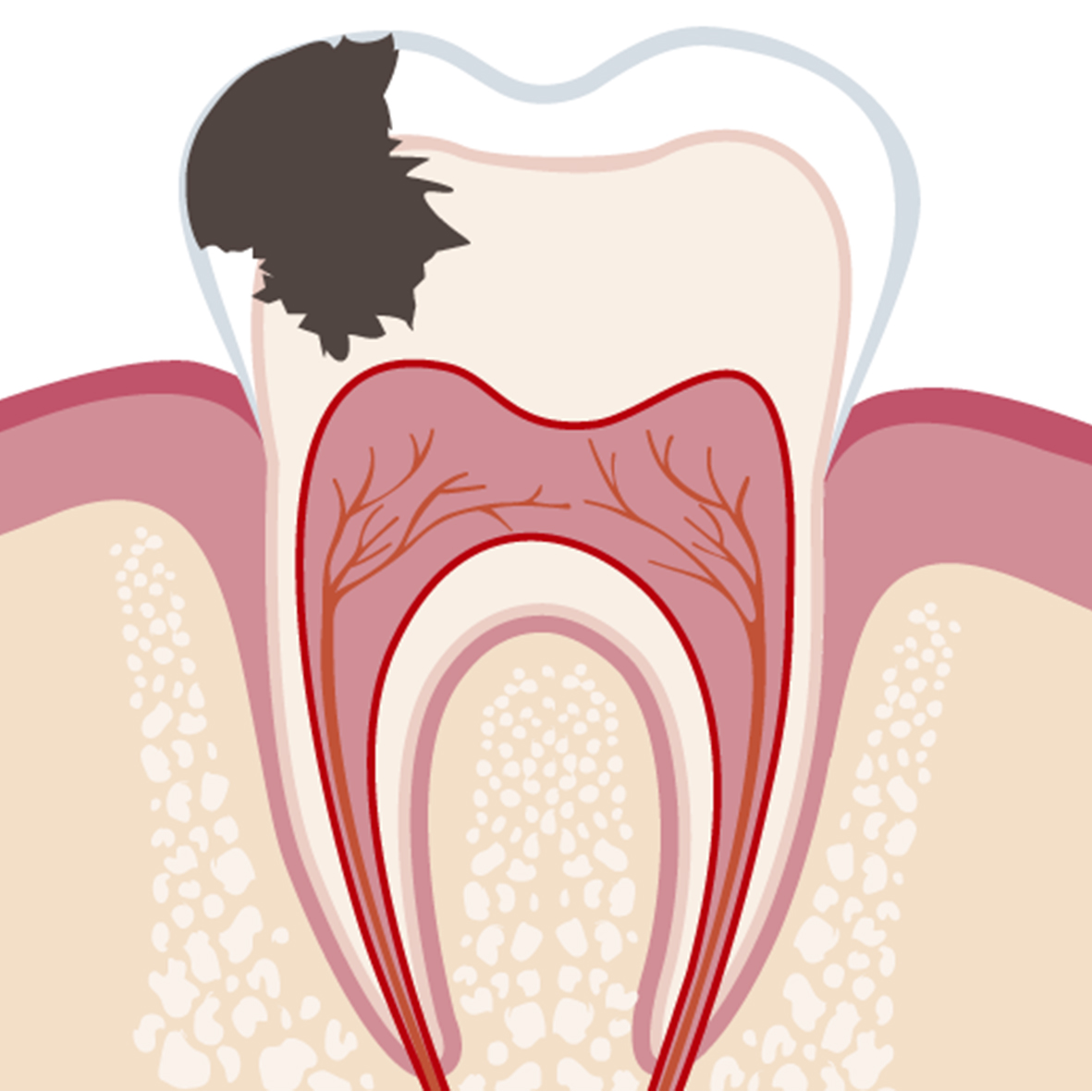
This stage of caries is characterized by damage to the peripulpal dentin and a significant increase in pain with mechanical and chemical stimulation of the tooth. At this stage, the cavity reaches the root and can affect the pulp and periodontium, greatly increasing the risk of pulpitis (inflammation of the soft tissue inside the tooth containing nerves and blood vessels) and periodontitis (inflammation of the tissues surrounding the root and supporting it in the jaw).
Treatment of moderate to deep caries involves filling the cavity using a dental drill. The dentist carefully removes the affected tissue layer by layer. The cleaned cavity is dried and filled, and then the tooth surface is polished.
Why is it better to treat caries at Interstom Dentistry?
High-quality dental caries treatment at a dental clinic in Kyiv
Accurate diagnostics
We detect caries at early stages using modern technologies
Painless treatment
Use of high-quality local anesthesia or drug-induced sleep
Qualified doctors
The best dentists will provide high-quality caries treatment using modern techniques
Aesthetics
We restore the shape and color of the tooth so that the filling looks completely natural
Treatment under a microscope
We see the smallest details – we preserve more healthy tissue
Guarantee
The clinic provides a guarantee for all types of dental services
When is caries treatment necessary?
The presence of dark spots or voids on the teeth
Bad breath, unpleasant taste sensations
Increased sensitivity to sweet, cold or hot
Pain when biting or chewing
How is caries treated at Interstom Dental Clinic?
Our dentists treat caries using a microscope, which allows us to:
- identify pathological changes in hard tissues at an early stage;
- examine hard-to-reach areas;
- fill root canals with high precision.
At the spot stage, only minimal intervention is required to remove caries. Deeper caries requires lengthy treatment. The exact sequence of necessary treatment procedures is determined by the dentist based on an oral examination and diagnosis of the decay. It’s important to remember: the deeper the lesion, the more difficult it is to treat.
At Interstom Dental Clinic, caries treatment involves the following main stages:
1. Consultation and Diagnosis
In the first stage, the dentist conducts an oral examination, X-rays, and CT scans to assess the depth of the lesion. After diagnosis, the dentist explains the necessary treatment procedures in detail to the patient. Treatment depends on the type and stage of the pathological process, the patient’s age, and their individual characteristics.
2. Anesthesia or sedation
Modern local anesthesia technologies allow for complete numbing of the affected area, ensuring the patient experiences no discomfort throughout the treatment. In complex cases or if the patient is anxious, the doctor may prescribe caries treatment under sedation—a medically induced sleep.
3. Caries Removal
At this stage, the tooth is completely cleaned of damaged tissue. The affected tooth is isolated from saliva using a rubber dam (a special protective film). Using a dental drill, the dentist carefully removes the affected tissue layer by layer. The cavity is then treated with an antiseptic.
If the pulp is involved, the dentist first removes the soft tissue, blood vessels, and nerves, then fills the canals and cavities. In some cases, this requires two visits. During the first, the pulp chamber is opened, a tissue-destroying medication is placed, and the cavity is sealed with a temporary filling. A final cleaning is performed a few days later.
4. Filling
The cavity, cleared of decay, is dried and filled. The tooth surface is then smoothed. Modern fillings harden quickly and reliably, match your individual tooth color, and feel just like your natural tooth. These fillings can last up to 15 years.
Caries Prevention
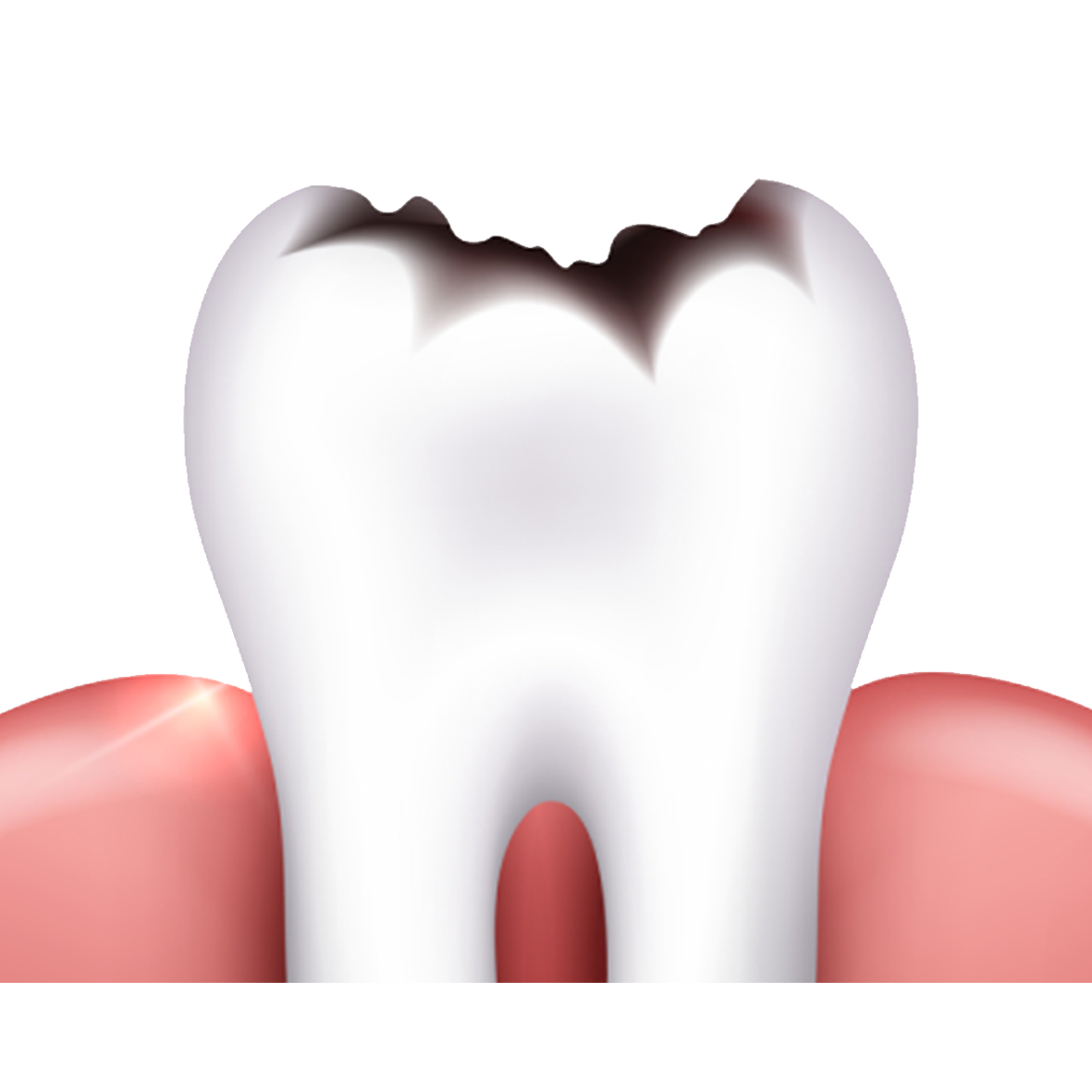
The most effective method of preventing caries is regular dental checkups. This will help you detect cavities early and prevent tooth decay.
To prevent cavities, it is also important to:
- eat a balanced diet;
- practice good oral hygiene;
- reduce carbohydrate intake, especially sweets;
- reduce stress;
- improve overall health;
- quit bad habits.
What happens if caries is left untreated? Without treatment, the inflammation reaches the pulp and dental nerve, causing severe pain. In severe cases, the inflammation can affect the bone (periostitis) and the surrounding bone roots (periodontitis). All of this can lead to complete tooth decay.
Caries in Baby Teeth
According to statistics from the World Health Organization, caries in baby teeth occurs in 73% of children by age 6. However, there are cases when younger children also require dental care and treatment.
Diet and dental hygiene play a significant role in the development of caries in children. The main cause is bacteria found in plaque. A poor diet (large amounts of sweets, carbonated drinks, and a lack of protein, vitamins, minerals, and fluoride) leads to accelerated plaque formation.
If plaque is not removed within 24 hours, the bacteria within it begin to actively multiply. This produces acid, which leaches fluoride and calcium from the tooth enamel. As a result, the enamel becomes soft, allowing pathogenic bacteria to penetrate deeper into the tooth and destroy it. This is the first stage—the decay spot. At this stage, it can be stopped and treated without a dental drill.
In the second stage, bacteria damage the dentin, causing visible tooth decay—deep caries. Early childhood caries is a serious problem. The disease is characterized by the presence of one or more decayed teeth or lesions with light or brown spots.
Believing that childhood caries is less serious than adult caries (baby teeth fall out), some parents hesitate to visit a dentist, even when the disease has reached an advanced stage.
However, there are several compelling reasons to promptly visit a dentist if you have caries in baby teeth:
- The bud of a permanent tooth may be missing. In this case, the presence of a healthy baby tooth can be crucial.
- Destruction of the hard tissues of baby teeth. The decay from a baby tooth can spread to the underlying, unerupted permanent tooth.
- Pain. A child’s tooth affected by caries can hurt just as much as a permanent tooth in an adult.
- A breeding ground for chronic infection. A tooth with caries is a source of chronic infection and can cause gastrointestinal and ENT diseases (colds, sore throat, tonsillitis, etc.).
- Chewing problems. Premature loss of a primary tooth disrupts chewing, which in turn disrupts the proper functioning of the digestive system.
- Reduced self-esteem in children. Damaged teeth can lead to ridicule from peers.
- Diction problems. Proper pronunciation develops during childhood. Missing teeth can lead to diction problems.
For children under four years of age, in the early stages of caries, a gentle treatment option is silvering of baby teeth. A 30% silver nitrate solution is used, but plaque is first removed from the affected areas. A second, more effective method is deep fluoridation of teeth. In such situations, the tooth enamel is coated with a fluoride compound several times, which restores the damaged enamel prisms. The only difficulty is the need for multiple visits to the dentist.
If a dentist discovers a cavity in a child’s tooth, the decay is treated according to the adult treatment protocol—cleaning and filling. Children require complete pain relief, either local anesthesia or sedation. Sedation for children in dentistry is a safe and comfortable procedure. The child will experience no pain, and the dentist will be able to calmly perform the assigned task without harming the patient.