
 044-358-81-18




Painless tooth extraction
Interstom is a dental clinic in Shulyavka, Kyiv
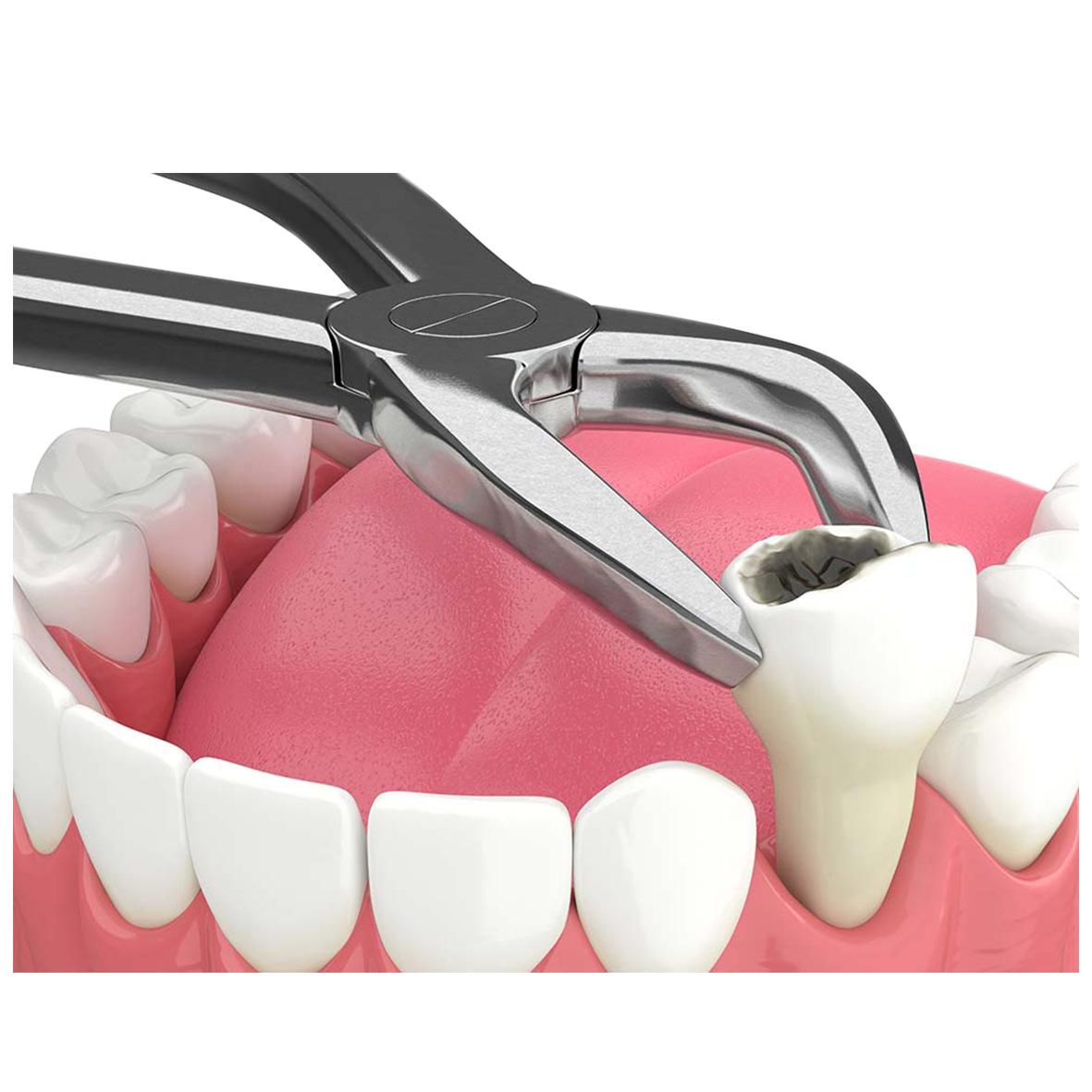
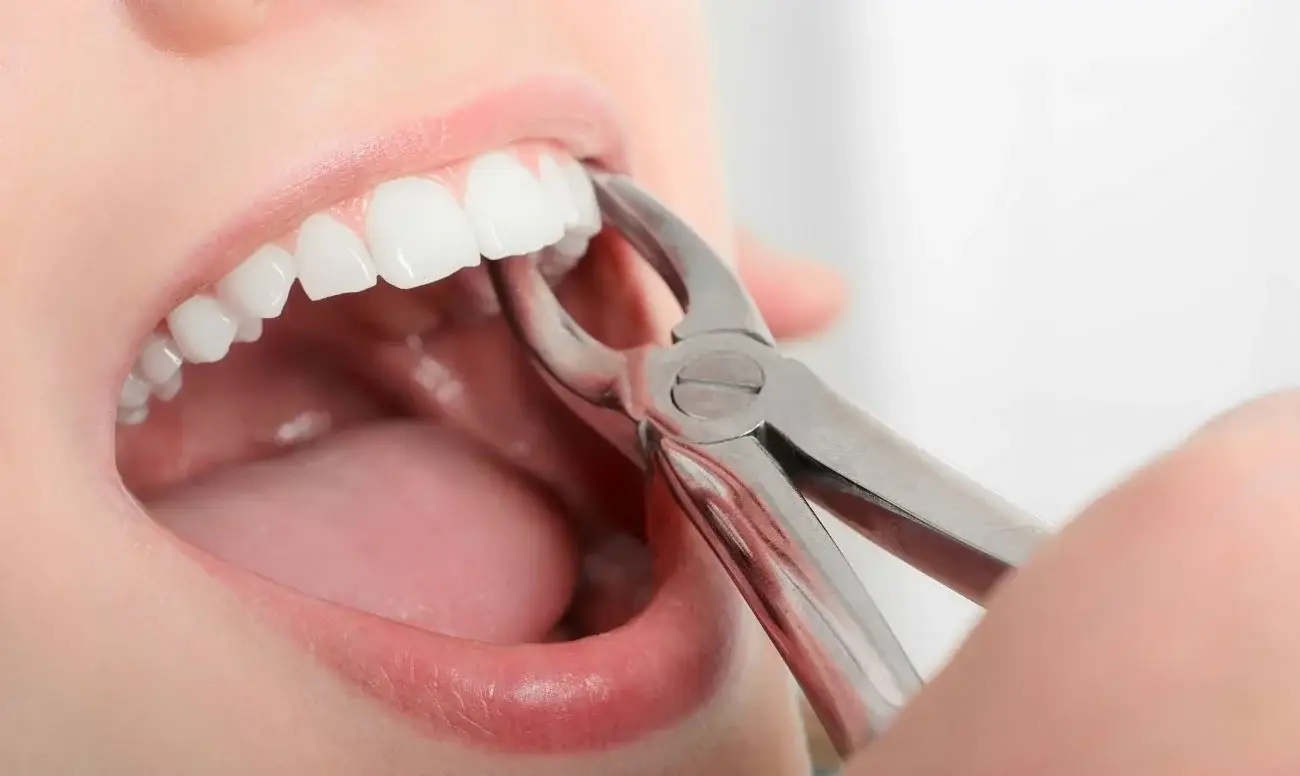
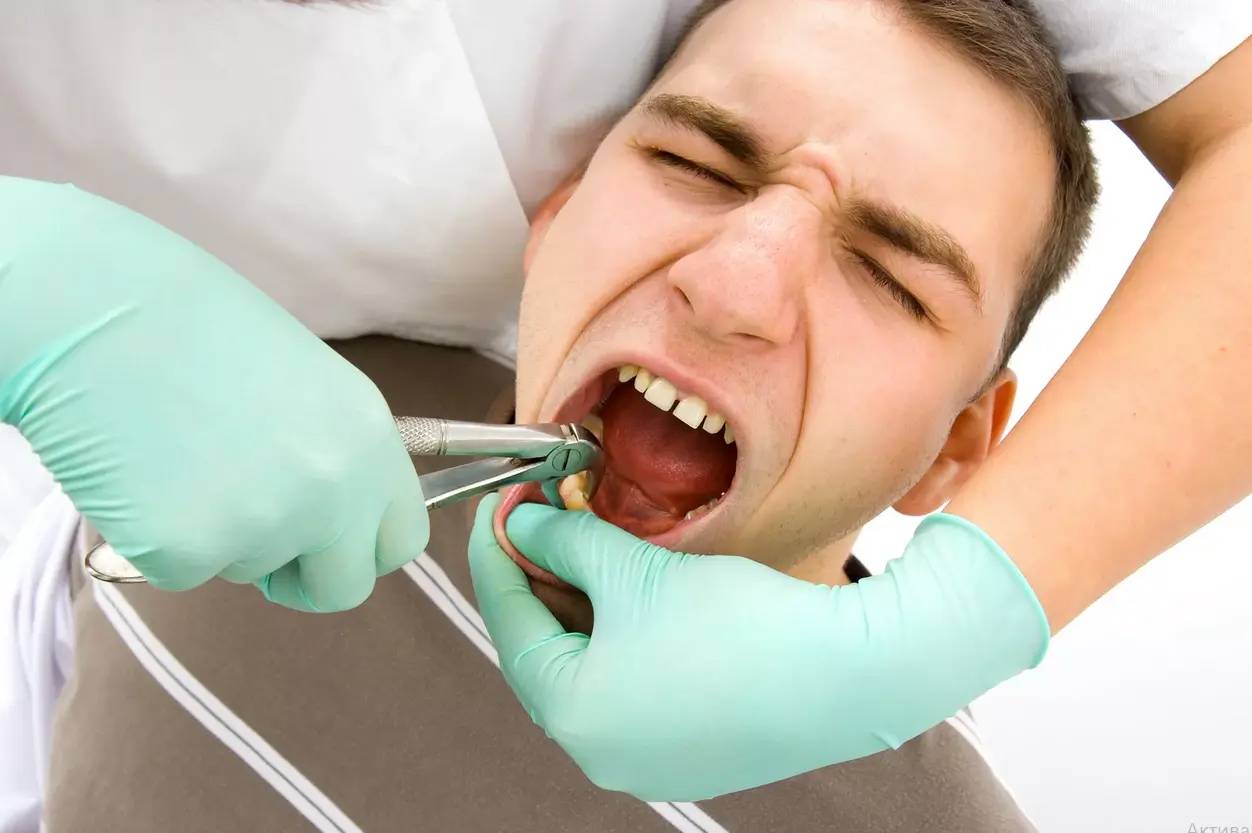
Tooth extraction is a surgical procedure performed by an oral surgeon using specialized instruments to remove a tooth from its socket. The procedure can be either planned or emergency, depending on the severity of the pathological process.
The Interstom dental clinic offers painless tooth extraction in Kyiv at an affordable price. We can remove both upper and lower teeth, regardless of the complexity of the case. Our professional team will consider all factors, including the anatomical features, condition, and health of the tooth.
First and foremost, we focus on therapy and do everything possible to preserve and treat natural teeth. However, if this is not possible, our doctors will quickly and painlessly extract the tooth and advise on oral hygiene for a speedy recovery. We perform emergency and planned surgeries of any complexity using certified sterile instruments and consumables.
Why are teeth extracted?
Tooth extraction is a surgical procedure in which the tooth is completely removed from the alveolus (the socket). This is typically performed in complex cases where conservative treatment methods fail to stop the inflammation or the crown is severely damaged.
The list of situations in which teeth need to be extracted is quite long. Specifically, these include:
- preservation of the tooth is inadvisable due to a source of infection and a high risk of inflammation spreading;
- conservative treatment is impossible due to curved, impassable, or atypically located root canals;
- crown or root fracture with exposure of the vascular-nerve bundle, making restoration impossible;
- multidirectional tooth mobility (e.g., due to periodontitis or periodontal disease);
- traumatic tooth injury;
- presence of a pathological lesion in the apical portion of the root (cyst, granuloma, or abscess);
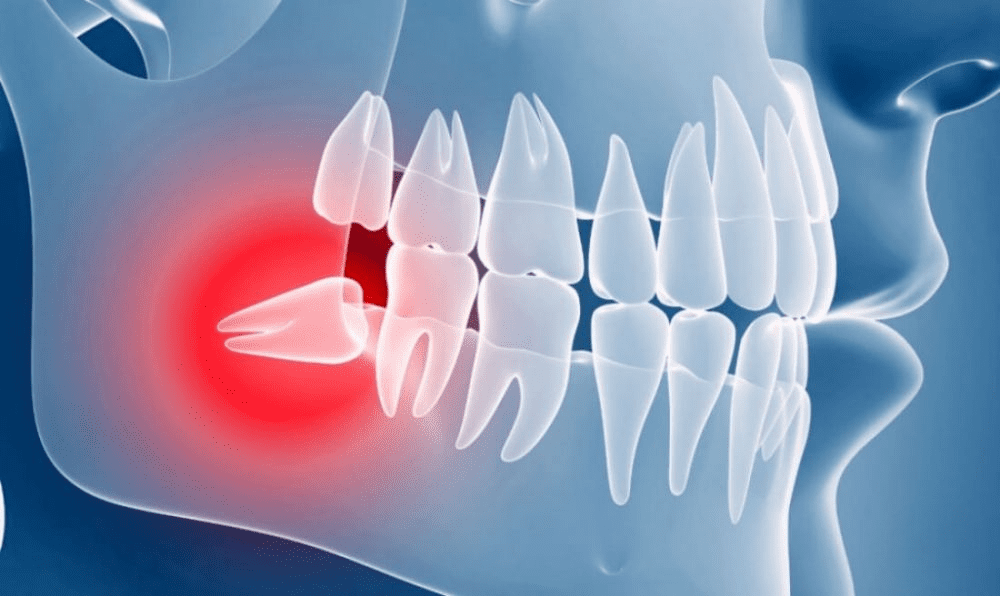
- Wisdom teeth that interfere with normal jaw development;
- supernumerary teeth located outside the dental arch;
- planned orthodontic or orthopedic treatment, when removal is indicated by the appropriate specialist.
After the decision to proceed with surgery is made, a convenient appointment is scheduled, unless an emergency tooth extraction is required.
Why choose Interstom Dental Clinic for tooth extraction?
Tooth extraction in Kyiv: painless dentistry, qualified dental surgeons
Painless tooth extraction
We use high-quality anesthesia or sedation to eliminate any pain
Modern diagnostics
Our equipment allows us to accurately assess the condition and plan tooth extraction
Qualified doctors
The best dental surgeons in Kyiv are true professionals in their field
Rapidity
It takes our dentists only 10 to 60 minutes to extract a tooth
No complications
We explain in detail what you can and cannot do after a tooth extraction
Guarantee
The clinic provides a guarantee for all types of dental services
When is it necessary to remove a tooth immediately?
The tooth is broken or destroyed by decay below the gum line
A tooth with high mobility in advanced periodontitis
The presence of an inflammatory process that led to the formation of pathology – cysts, abscesses, phlegmon, etc
Wisdom tooth damaging the mucous membrane
How is a tooth extracted at Interstom Dental Clinic?
Modern dentists very rarely extract teeth, and there are several reasons for this. Firstly, after a tooth extraction, the quality of food digestion is impaired, leading to gastrointestinal problems. Secondly, an open socket always poses a risk of infection. Thirdly, a missing tooth is always noticeable, making a smile less aesthetically pleasing and attractive. However, there are situations when tooth extraction is inevitable.
The specialists at Interstom Clinic solve any, even the most complex, tooth extraction problems: molars, incisors, canines, and molars. A customized extraction technique is selected for each patient.
The tooth extraction procedure at Interstom Dental Clinic consists of the following steps:
1. Patient Diagnosis and Preparation
X-rays are used to examine the root topography, including its location and length. The dental surgeon and the patient decide on a method of anesthesia: local anesthesia or sedation. The patient is also instructed to avoid smoking, alcohol, or any other medications for several days prior to the tooth extraction. They should also avoid heavy meals.
During the preparatory stage, oral hygiene is also recommended, including cleaning the patient of plaque and tartar.
2. Anesthesia and the extraction procedure
Here’s what the oral surgeon does after the patient is seated in the chair:
- Anesthetizes the desired area of the jaw with effective injectables or puts the patient into a medicated sedative;
- Separates the gum from the tooth surface to loosen its attachment in the socket;
- Begins to rock the crown, preparing for safe extraction;
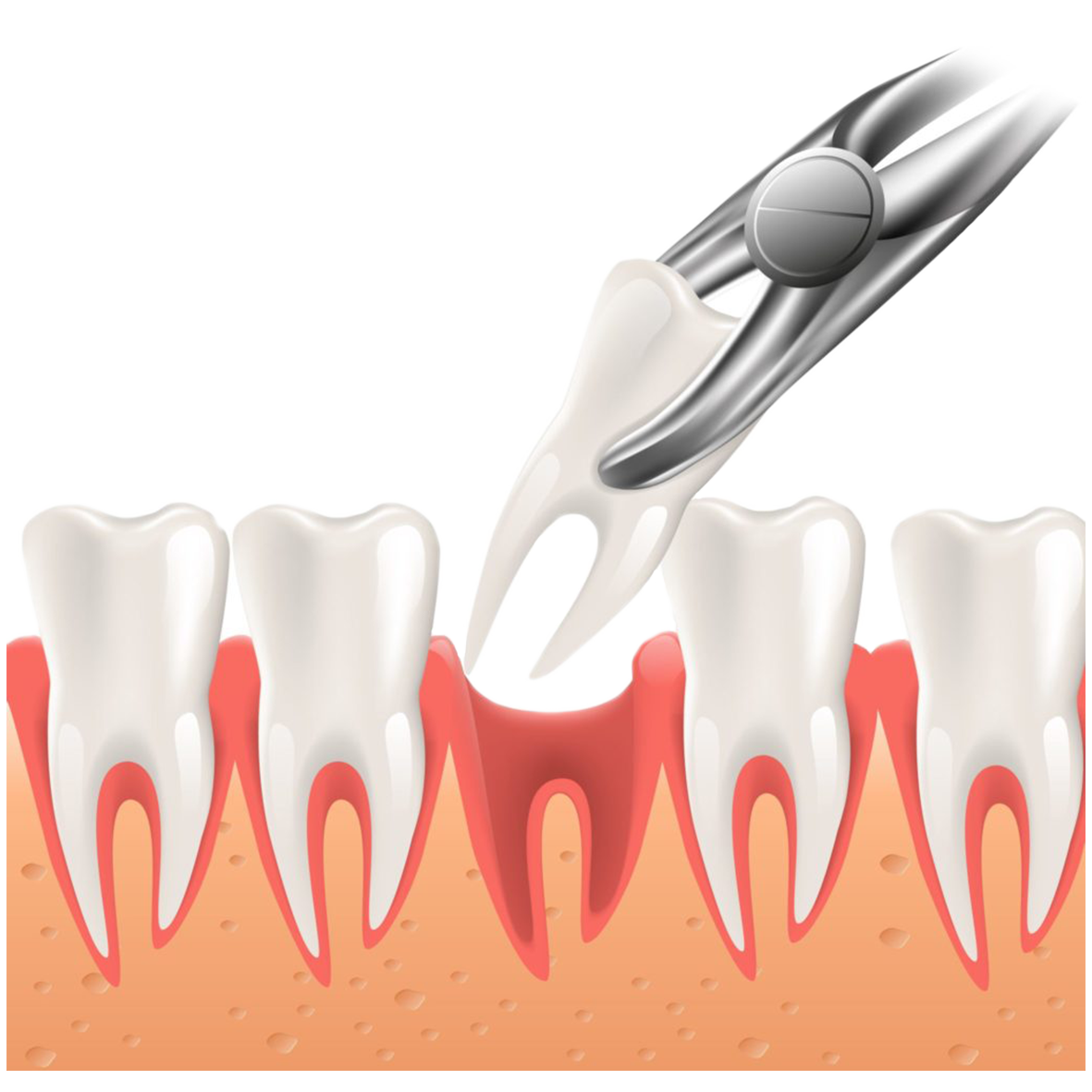
- Extracts the tooth and its root with special forceps;
- Checks the socket for small bone fragments;
- Applies a sterile swab and gives the patient care instructions.
These steps are performed during simple tooth extractions, when the dentist can easily grasp the crown with forceps or use an elevator.
If hard tissue is crumbling, the tooth roots are fused or intertwined, or there is a delay in eruption, then a more complex extraction using a dental drill is required. The dentist cuts the tooth into sections and removes them one by one.
In cases of complex molar extractions, bone filling may be performed by grafting a bone block or synthetic material into the extraction site.
3. Recovery and Postoperative Care
Following the surgery, a follow-up X-ray may be required: the oral surgeon must ensure that the alveolar socket is clean and that no roots remain within.
On average, the socket heals in about a week after tooth extraction. During this time, the patient should follow certain rules:
- Avoid touching the socket and removing the blood flow, which protects against infection;
- Do not rinse your mouth to avoid flushing the blood clot from the socket;
- Avoid touching the wound with your fingers, toothbrush, or other objects;
- Avoid drinking hot tea or coffee; keep food and drinks warm;
- Abstain from smoking and alcohol during the recovery period.
The doctor may also prescribe anti-inflammatory and antibacterial medications. The wound will heal within a week without any consequences if the tooth extraction was performed correctly and the patient followed the instructions.
Simple and complex (atypical) tooth extractions
Depending on the complexity of the clinical case, our dental surgeons perform the following procedures on a planned or emergency basis:
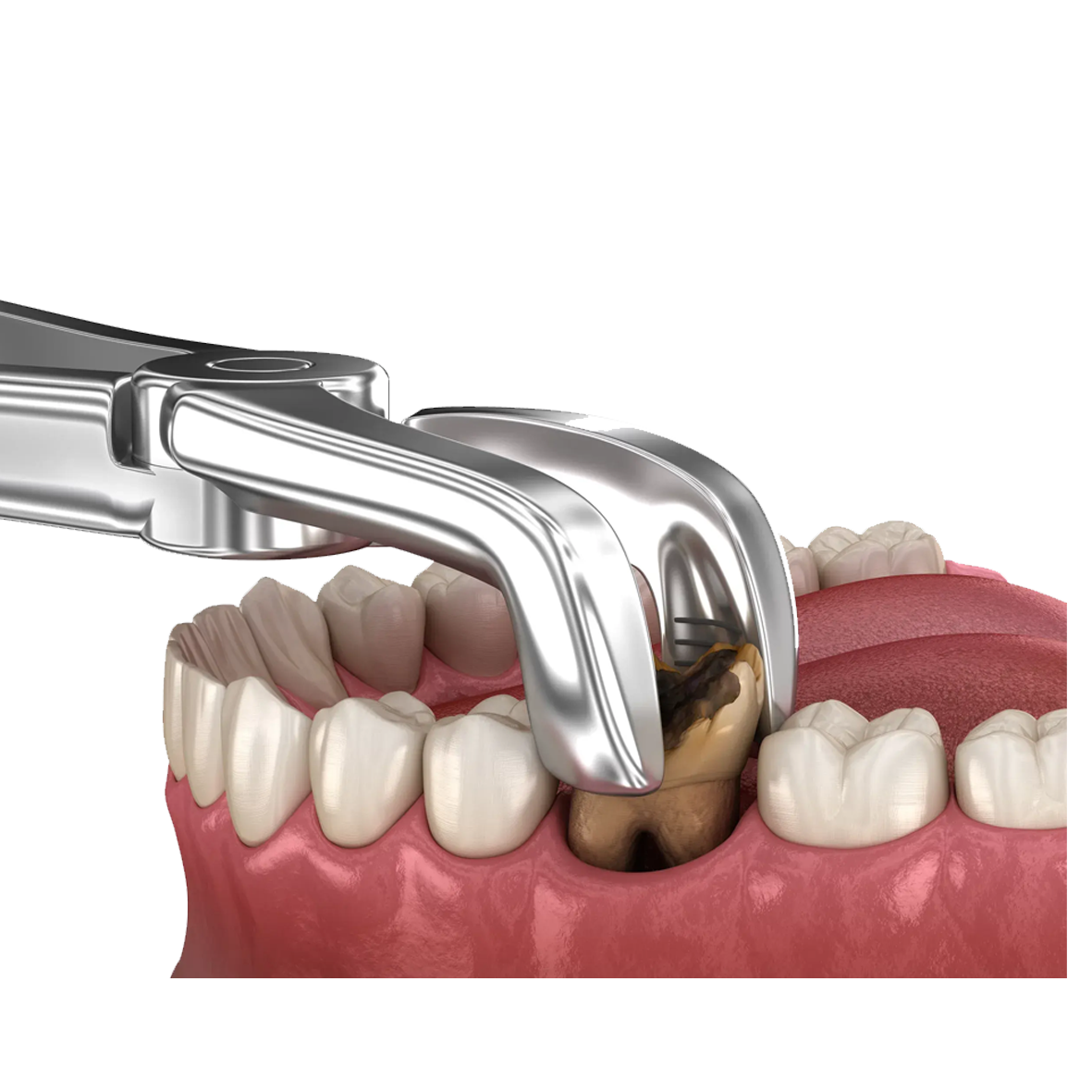
Simple tooth extraction. The problem tooth is easily grasped with forceps (S-shaped for upper multi-rooted teeth and curved for the lower jaw), gently loosened, and extracted without surgical intervention in the soft tissue or bone.
Complex (atypical) tooth extraction. A soft tissue incision is made, with mucosal tissue separation and, in some cases, partial jawbone removal to provide access to the tooth. Using special instruments, the root system is irradiated or separated, and then the tooth is removed from the bone piece by piece, without damaging adjacent tissue.
Atypical tooth extraction most often occurs during wisdom tooth extraction. Wisdom teeth (especially lower teeth) are often subgingival or partially erupted, making their routine removal difficult. Wisdom teeth can be positioned at an angle and rest against adjacent teeth, which requires an individual approach to removal.
What to do after a tooth extraction?
An extracted tooth should be restored as soon as possible. The prolonged absence of even one tooth inevitably disrupts the function of the entire dentition. Gradually, adjacent teeth shift toward the defect, attempting to fill it. This disrupts the bite and proper jaw closure.
This leads to more serious problems, such as:
- Remaining teeth wear out faster, constantly experiencing increased stress, causing chips and cracks; the risk of tooth mobility increases.
- Oral caries is more common. A misaligned bite creates more difficult-to-reach spaces between teeth, making it increasingly difficult to remove food debris. As a result, cavities develop in these areas.
- Digestion is impaired. Missing teeth (especially molars) complicate the chewing process. A person swallows large pieces, which makes digestion difficult and leads to digestive problems.
There are two effective ways to restore a lost tooth, avoiding all of the aforementioned problems. These are implants and a bridge.
Implants are the best way to restore a lost tooth. They fully reproduce the aesthetics (not only the enamel color but also its translucency), as well as chewing function. During implantation, the dentist inserts a titanium implant into the socket of the extracted tooth—this post replaces the tooth root. It is topped with a prosthetic crown—an artificial crown made of ceramic, metal-ceramic, or zirconium dioxide.
In some cases, the crown and implant can be installed on the same day as the tooth extraction, known as single-stage implantation. By choosing this method (provided there are no contraindications), you will leave the Interstom clinic with a new smile the same day. In other cases, one-stage or classic (two-stage) dental implantation is performed.
A dental bridge is used when one or two teeth are removed. A dental bridge can be installed with affixation to adjacent teeth. A dental bridge is an orthopedic structure consisting of several dental crowns soldered together. The crowns are hollow at the edges and are secured to prepared (ground down) teeth. The central crowns are solid and replace the extracted teeth.