 044-358-81-18




Sedation dentistry in Kyiv
Anesthesia and sedation at Interstom Dentistry in Shulyavka
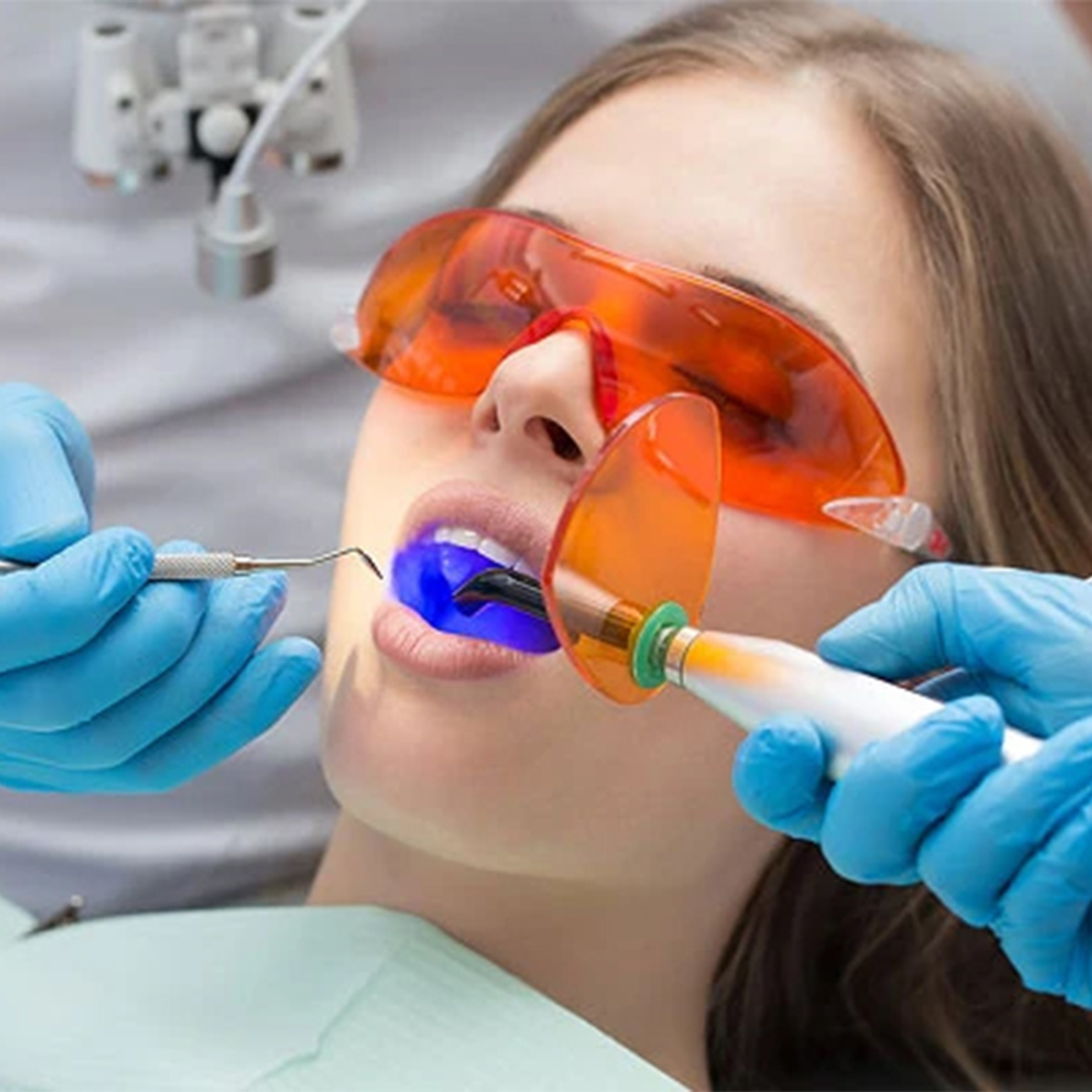
Sedation dentistry is a new, modern approach to dental treatment and extractions—free from pain, fear, and anxiety. It’s an ideal option for patients with dental phobia, cardiovascular disease, and those simply wanting a more comfortable dental visit.
During sedation, the patient experiences no discomfort or fear, and the dentist is able to work with maximum precision and calm. After the procedure, the patient awakens under the dentist’s supervision. Today, sedation dentistry is becoming increasingly popular not only with children but also with adults.
Any dental procedure with sedation can be compared to a spa experience—you fall asleep with a problem and wake up refreshed and rejuvenated when the issue is resolved.
What is sedation?
Sedation is an anesthesia method that involves inducing a light sleep or hibernation in the patient using mild sedatives. The depth of sedation can be adjusted depending on the complexity and pain of the procedure.
An important difference from other anesthesiology methods:
Sedation is not general anesthesia.
Sedation is completely safe for the body and does not involve the administration of narcotics or disable all reflexes.
It is not a replacement for standard local anesthesia.
The condition involves only a slight reduction in pain sensitivity. If the procedures are not very painful, sedation alone may be sufficient. If painful procedures are planned, local anesthetics are administered along with sedatives. However, fewer local anesthetics are required, as the sedatives enhance their effects.
Sedation is the “gold standard” of global dentistry. This method is convenient not only for the patient, for whom dental treatment is no longer something scary and unpleasant, but also for the doctor, who can fully concentrate on his work, without being distracted by the patient’s emotions.
The benefits of sleep dental treatment at Interstom Dentistry
Sedation (medication-induced sleep) in dentistry in Kyiv
Comfort
Dental treatment in your sleep is free from stress, fear, and psychological discomfort
Safety
To induce sleep, sleeping pills are administered without side effects
Квалифицированные врачи
The best dentists in Kyiv provide high-quality sedation
Saving time
You can spend up to 8 hours under sedation, which allows you to combine several procedures
Easy awakening
Sedation is not anesthesia; the doctor can quickly wake the patient up at any time
Guarantee
The clinic provides a guarantee for all types of dental services
When is sleep medication appropriate?
If you are allergic or have low sensitivity to conventional anesthesia
For long dental procedures (more than 2 hours), because it is quite difficult to keep your mouth open the entire time
People with dentophobia (fear of dentists) or who experience discomfort when visiting a dentist
People with certain diseases and characteristics (hypertension, increased gag reflex, etc.)
How does sedation work?
Dental treatment under sedation differs from general anesthesia. Under sedation, the patient’s consciousness, breathing, and natural reflexes and reactions are preserved. The patient hears the doctor’s voice and can follow instructions (open the mouth wider, turn the head, etc.). However, they don’t remember what happened; they are in a state of sleep, from which the anesthesiologist awakens them after the therapy is complete.
The patient experiences no pain, stress, or tension during dental procedures. This allows the dentist to perform their work most effectively.
Sedation makes dental treatment comfortable for both children and adults, and is also very convenient for the dentist. A precisely calculated dose ensures an easy recovery from sedation. The anesthetic wears off 15-20 minutes after the treatment is complete, and the patient can go home within half an hour of awakening.
At the Interstom dental clinic, the sedation procedure involves the following steps:
1. Examination and Preliminary Preparation
The undeniable advantage of sedation in dentistry is the lack of extensive and complex preparation. Pre-sedation tests and examinations may only be required in cases of serious health conditions.
Before your appointment at the clinic for sedation treatment, avoid alcohol, strong coffee, and tea. We recommend refraining from eating and limiting fluids 3-4 hours before treatment.
2. Induction of sleep
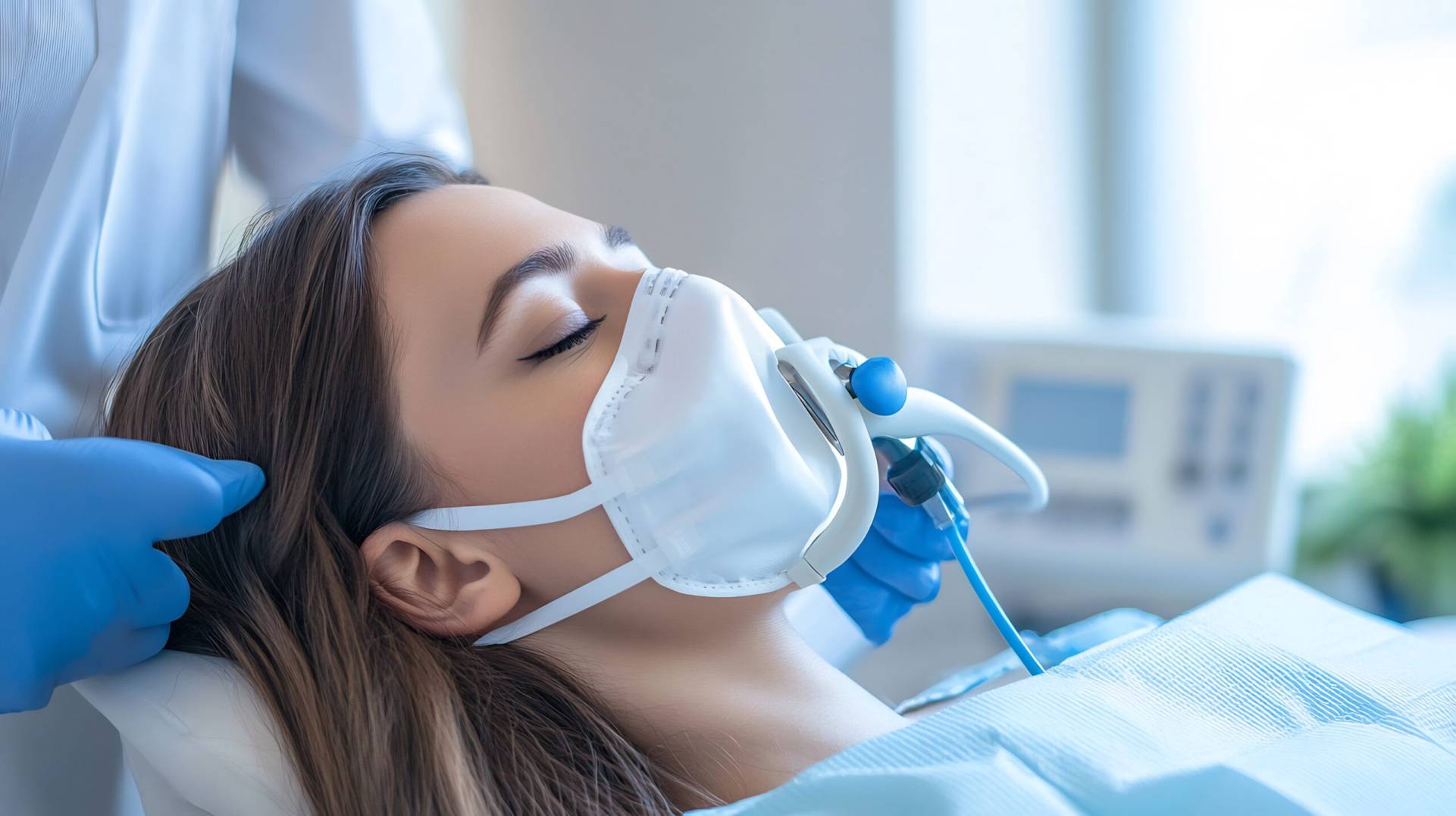
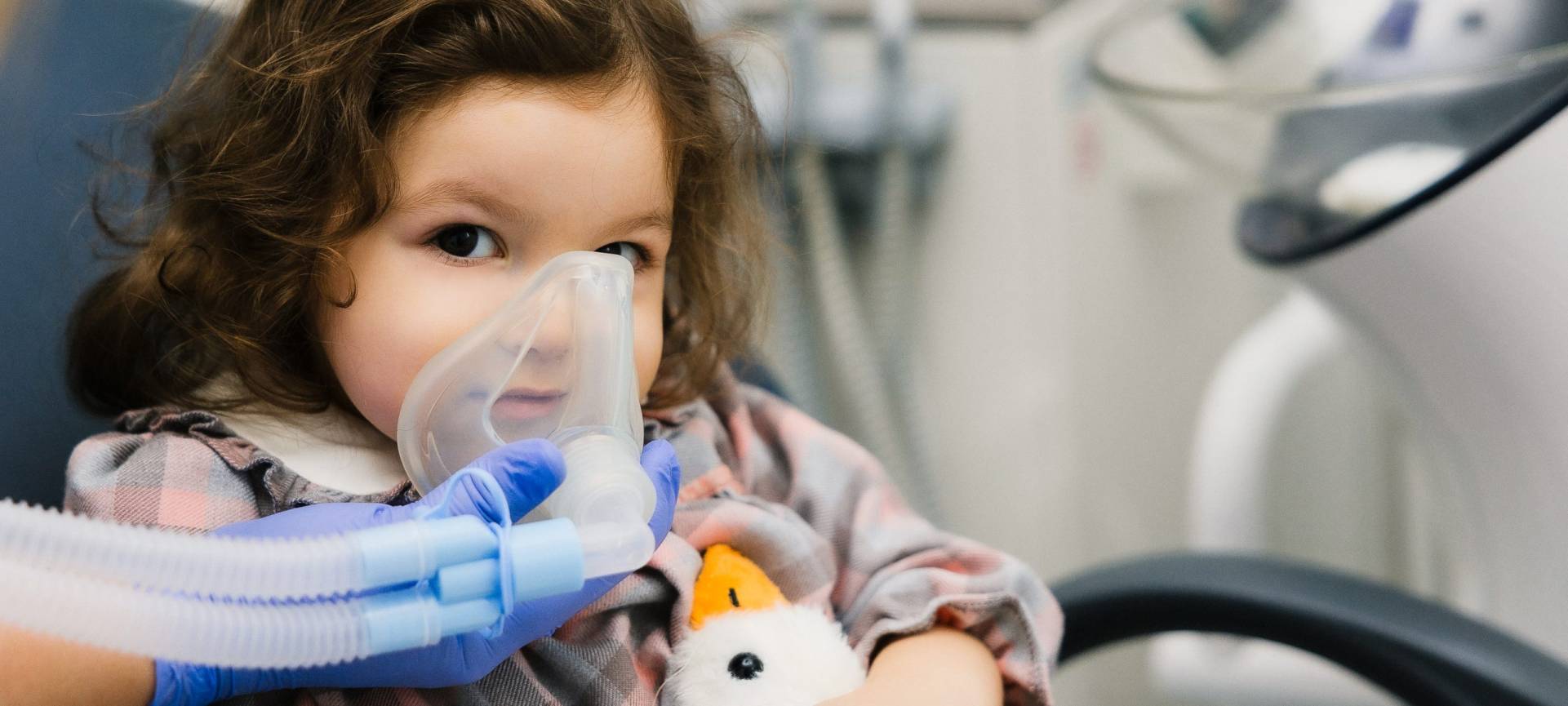
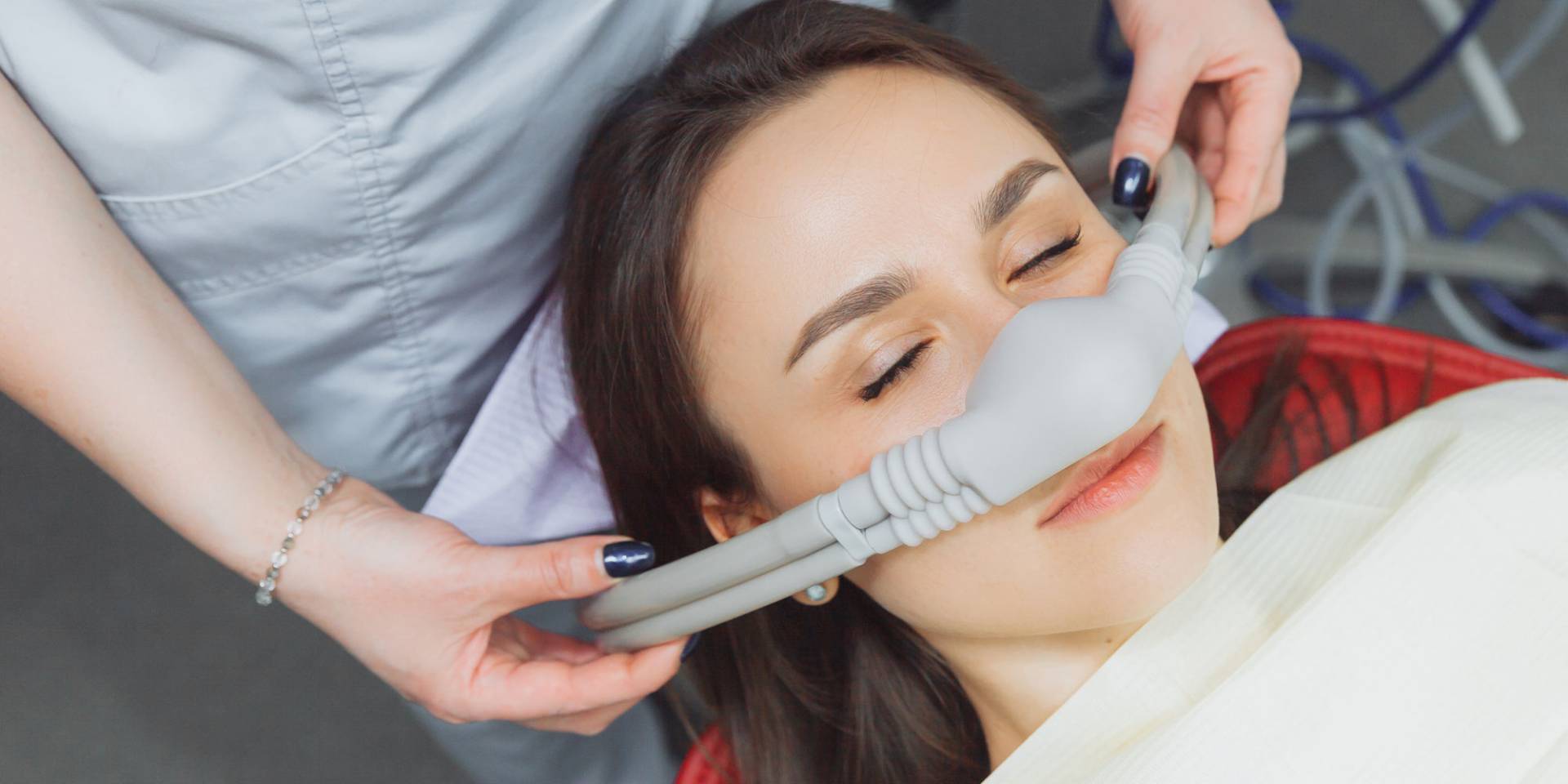
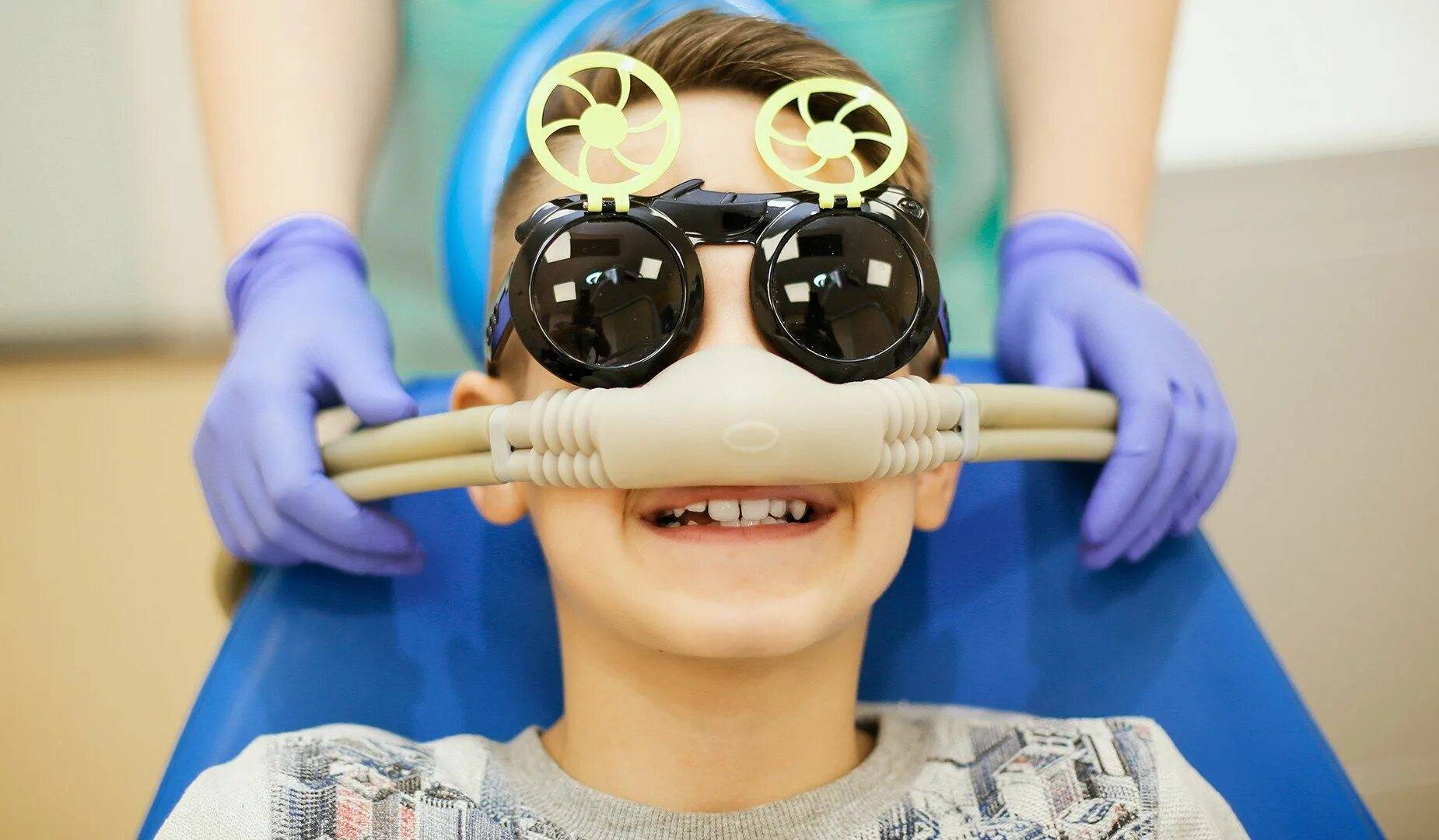
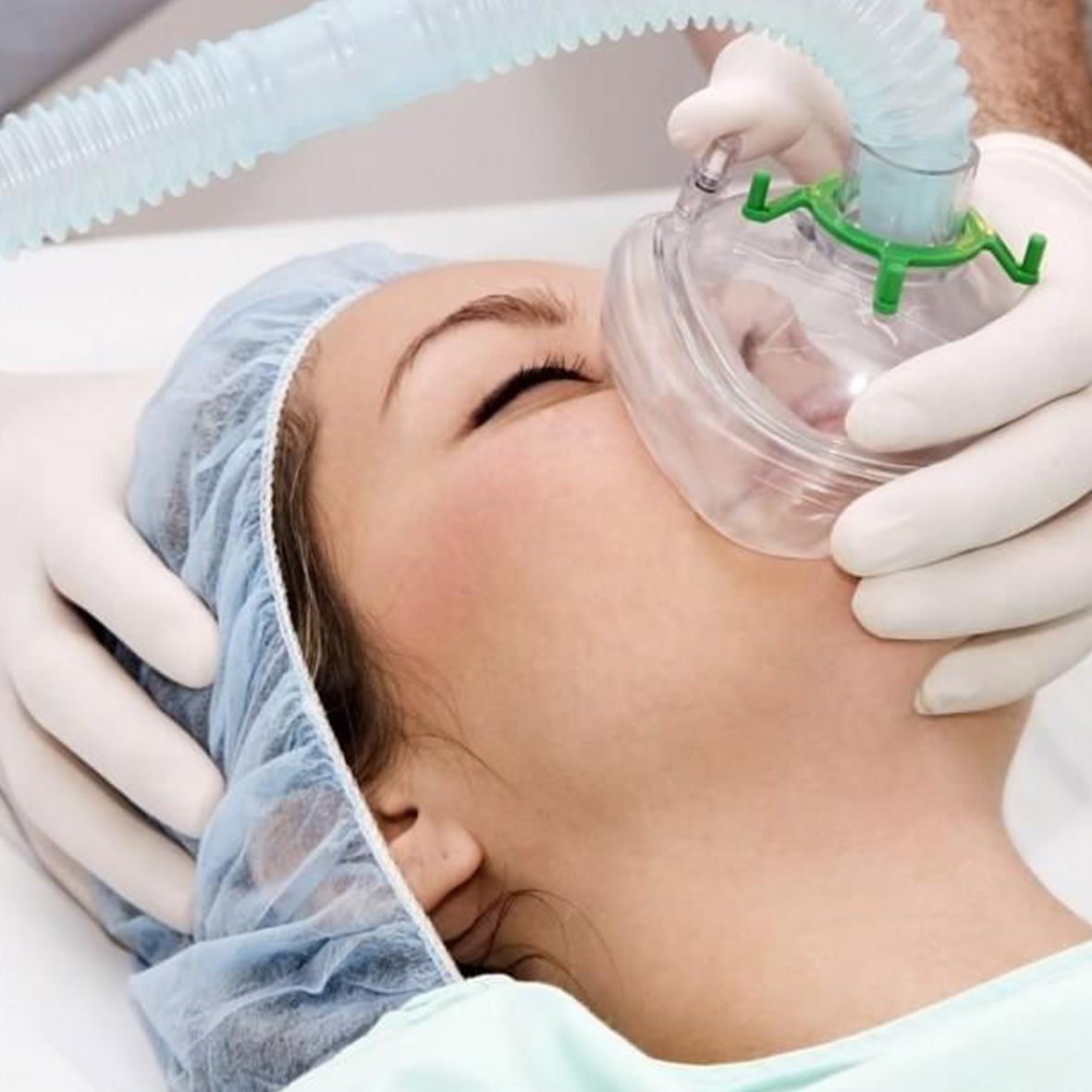
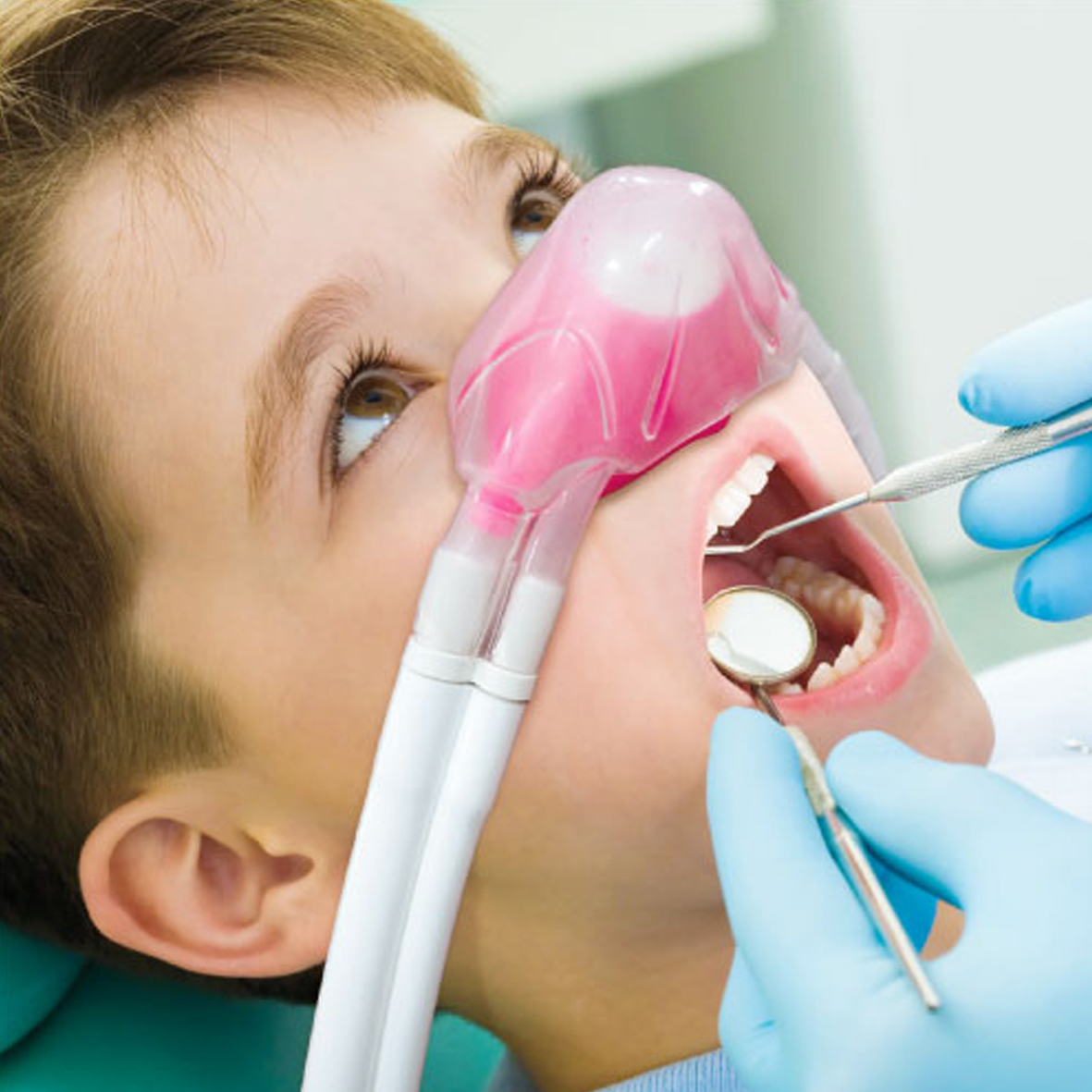
The anesthesiologist administers sedatives through a catheter or an inhalation mask (usually used in children). Local anesthesia is also administered if necessary (depending on the type of procedure). The patient gradually drifts into sleep.
3. Treatment, dental procedures
The dentist performs procedures as part of the planned treatment: extracting teeth or performing complex surgical procedures, treating cavities, placing fillings, etc. For the person in the chair, this is safe and completely painless.
4. Awakening
After the procedures are completed, the doctor wakes the patient, and they gently come to their senses. The doctor monitors their well-being and provides recommendations for recovery and dental care. For the next half hour, you can relax in the cozy atmosphere of the Interstom clinic, have some tea, and then go home.
Pediatric Sedation Features
Children are special patients in dentistry, as they are prone to anxiety, fear, and panic in front of dentists. When choosing between physical restraint by medical staff or sedation, the choice is clear. Sedation for children offers additional benefits in addition to the following:
- Sedation medications are administered via a convenient inhalation route;
- If intravenous administration is necessary, the procedure is performed after the child has fallen asleep following inhalation;
- The risk of accidental or intentional interference by the child in the treatment process is eliminated;
- A friendly relationship with the dentist is established for the future;
- The child’s mental health is preserved, and there is no negative impact on the nervous system;
- Treatment is quick because there is no need to waste time reassuring and calming the child;
- All necessary procedures can be performed simultaneously.
When is general anesthesia necessary?
General anesthesia is a deep sleep in which a person is completely unaware of the situation. This option is used for complex surgical procedures, such as atypical multiple tooth extractions or implant placement.
There are situations where general anesthesia is the most appropriate option for a patient, such as:
- Complex wisdom tooth extraction. Due to their location and root shape, complex procedures are often required, which can be difficult for the patient to tolerate.
- Simultaneous extraction of multiple teeth. This typically affects patients preparing for dentures or requiring comprehensive oral hygiene.
- Jaw surgery. General anesthesia is mandatory for procedures involving extensive surgical intervention.
- Pediatric dentistry. Children often fear visiting the dentist, and general anesthesia helps manage this anxiety and facilitate effective surgery.
- Fear of visiting the dentist (dental phobia). Some patients experience strong emotions and anxiety, which interferes with standard procedures.
- Nervous system disorders, unstable psychoemotional state, and inability to remain still in the dental chair for long periods.
- Intolerance to local anesthetics or poor local anesthesia effectiveness.
For minor treatments, sedation is often chosen. It is easier to tolerate and promotes faster recovery. General anesthesia is prescribed for major procedures that require complete patient relaxation and prolonged dental work. The final decision is made by the dentist and anesthesiologist after examination and diagnosis.
Contraindications to dental treatment under sedation
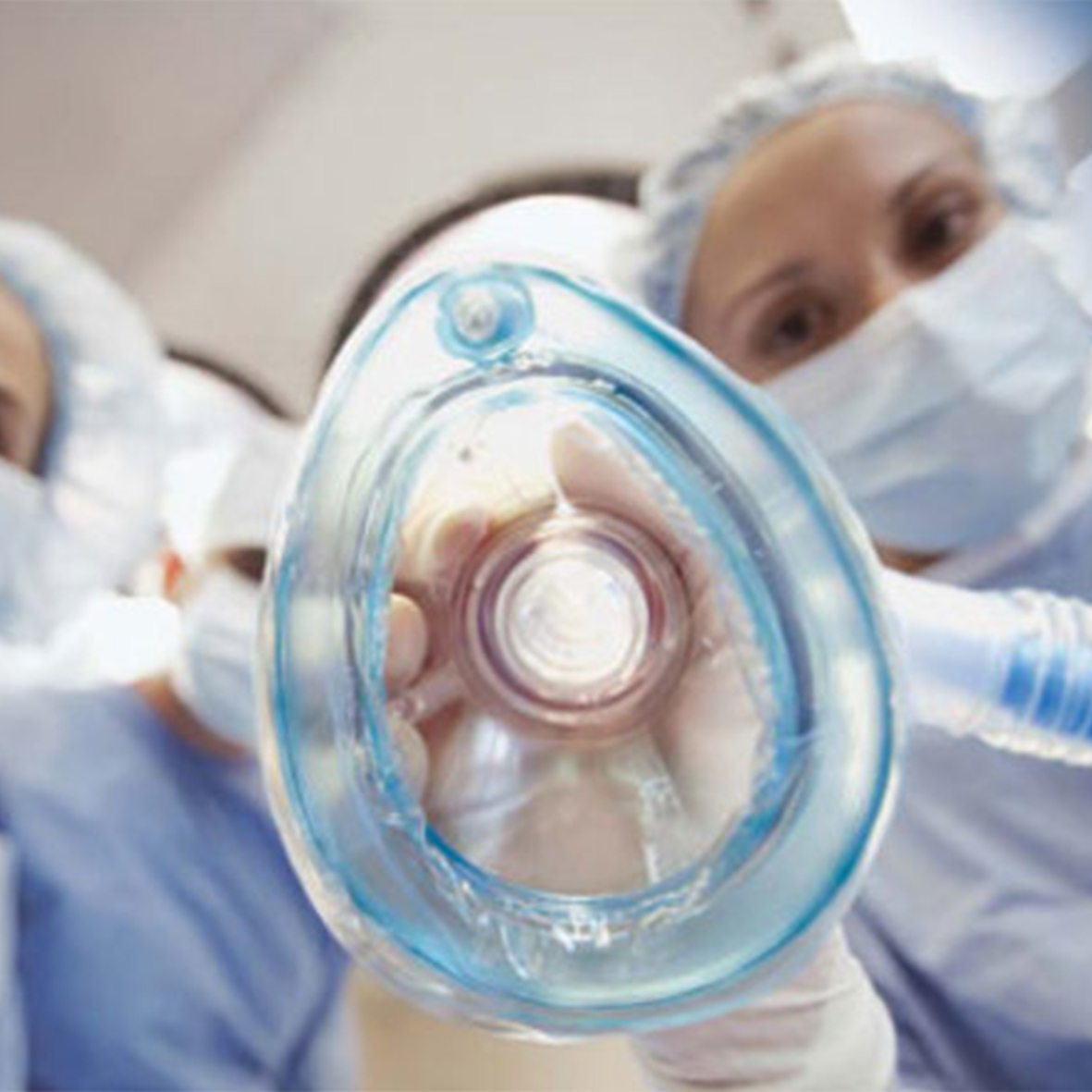
Despite the safety of sedation, there are some limitations to dental treatment under sedation:
- severe heart disease (heart attack, coronary heart disease);
- respiratory problems (pleurisy, pneumonia);
- acute infections;
- allergies to the medications used;
- pregnancy (sedation is only used in emergency cases);
- alcohol or drug intoxication;
- mental disorders.