 044-358-81-18


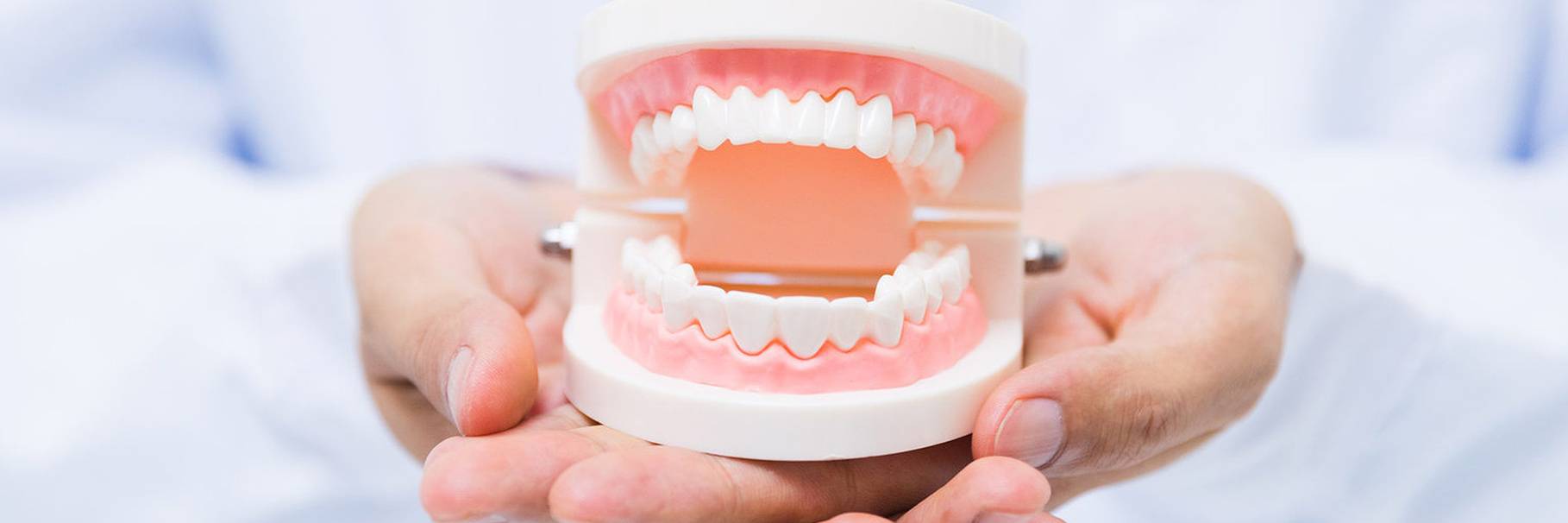
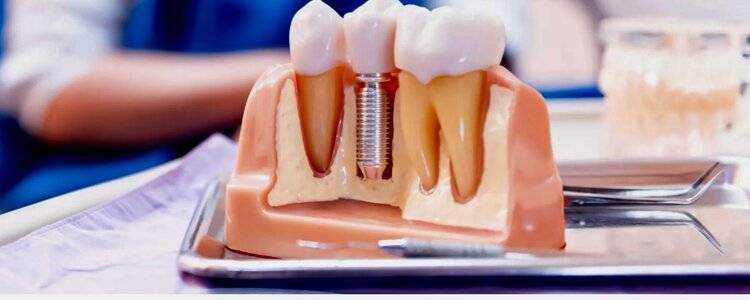
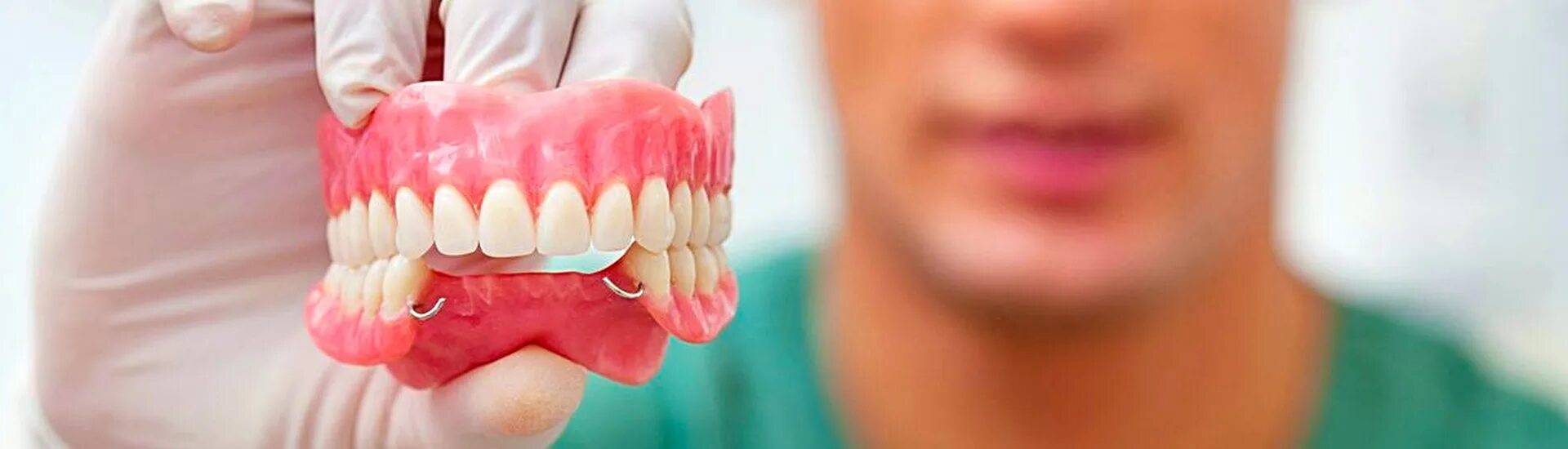



Orthopedic dentistry in Kyiv
Dental prosthetics at the Interstom dental clinic in Shulyavka
Orthopedics is a specialty in dentistry that focuses on restoring the dental arch. Dental prosthetics help reconstruct congenital and acquired dental defects and prevent further decay. Modern orthopedic techniques allow for the restoration of chewing, aesthetic, and phonetic functions, even with significant dental defects or complete edentulism.
Our Interstom dental clinic provides a full range of orthopedic services to restore the health and aesthetics of your smile. Our orthopedic dentists have extensive experience, are highly qualified, and always keep up with the latest trends in orthopedic dentistry.
Orthopedic Dentistry Technologies
The loss of one or more teeth, as well as the loss of functionality of an existing tooth, is not only an aesthetic problem. The remaining teeth shift, the bite becomes distorted, and gum disease develops. To avoid these unpleasant consequences, it is important to consult a prosthodontist promptly.
Dental prosthetics at Interstom Dentistry include:
- Microprosthetics: veneers, pins, bridges (adhesive prosthetics);
- Metal-free restorations: all-ceramic (porcelain) crowns, zirconium structures, and framework-based restorations;
- placement of an orthopedic metal-ceramic crown on a tooth;
- Temporary prosthetics: plastic crowns;
- Removable prosthetics: partial (with supporting teeth), conditionally removable (with partial teeth), and complete removable (with complete tooth loss);
- Splint therapy: correction of the functions of the musculoskeletal system of the maxillofacial region, treatment of temporomandibular joint dysfunction;
- Orthopedics during pregnancy: temporary prosthetics, adaptive splint therapy, etc.
A wide range of orthopedic services for dental prosthetics, types of orthopedic care, and affordable prices allow you to choose the best option based on the patient’s wishes and financial capabilities.
The modern dental prosthetics used at Interstom Dentistry are distinguished by their aesthetic appeal and maximum functionality. The cost of dental prosthetics varies widely, from inexpensive designs to luxury options.
Prosthetics at our dental clinic involves an individualized approach from the dentist-orthopedist to each patient. Dentures are manufactured taking into account not only the functional aspects but also the aesthetic ones. The dentures installed by us are virtually indistinguishable from natural teeth.
The benefits of dental prosthetics at Interstom Dentistry
Orthopedic dentistry in Kyiv: veneers, dentures, orthopedic structures
Treatment without pain
Painless treatment with anesthesia and sedation (medication-induced sleep)
High-quality materials
We use high-quality dentures, crowns, veneers and other structures
Qualified doctors
The best dentists and orthopedists in Kyiv are true professionals in their field
Integrated approach
We develop a comprehensive treatment strategy for each patient
Clear prices
We provide full information about the cost of treatment, without any “surprises”
Guarantee
The clinic provides a guarantee for all types of orthopedic services
When do you need help from an orthopedic dentist?
One or more missing teeth, or absence of all teeth
Defect of enamel and walls, their complete or partial destruction
Diseases of the gums or jaw bones
Incorrect shape of teeth, dental injuries
How Orthopedic Treatment Works
Orthopedic dentistry is a specialty that specializes in correcting dental defects and restoring dental function. Dental prosthetics are a key tool in this regard. An orthopedic dentist specializes in preventing defects, installing fixed and removable dentures, and teeth alignment systems.
As a result of treatment, the patient’s dental function is restored, they feel confident, and gain a bright, natural smile.
All procedures are painless; modern local anesthesia or sedation allow for careful and unhurried restoration of the dental arch.
At the Interstom dental clinic, patients undergo the following stages of orthopedic dentistry:
1. Appointment with an orthopedic dentist for diagnostics.
The orthopedic dentist performs an oral examination and diagnostics using digital dental imaging. This allows us to identify not only current abnormalities but also hidden conditions that are not yet bothering the patient.
2. Determining a treatment strategy and preparing for prosthetics
Based on diagnostic data, the orthopedic dentist determines a treatment strategy for a specific patient. This includes determining the materials to be used, prosthetic methods, and the necessary orthopedic structures.
Before prosthetics, additional treatments and procedures may be required: caries treatment, therapy for identified oral diseases, correction of malocclusion, professional hygiene, preparation of crown support, etc. The patient may also require surgery or an orthodontic consultation. Only then can prosthetics be applied.
3. Prosthetics
Before the actual prosthetics, the supporting teeth are restored or reinforced with pins and inlays. The dentist grinds them down, creating a space for the future prosthesis. At this stage, impressions are taken from both jaws, and the shade of the artificial teeth is selected. Next, specialists in the dental laboratory work with the impressions. Plaster copies of the upper and lower jaws are created, on which a wax version of the prosthetic is modeled.
The prosthesis itself is then created using the impressions. We ensure that the prosthesis fits harmoniously with the existing dentition and does not cause discomfort during chewing and speaking. The prosthesis is manufactured using computer modeling and laser resurfacing. It is placed in the patient’s mouth, and the dentist carefully distributes the load on the other teeth to maintain oral health.
4. Fitting, adjustment, and installation of orthopedic devices
Depending on the type of prosthesis, the manufactured prosthesis should be tried on first and adjusted if necessary. After this, the orthopedic device is fitted to the patient, and the doctor provides instructions on the use and hygiene of the prosthesis.
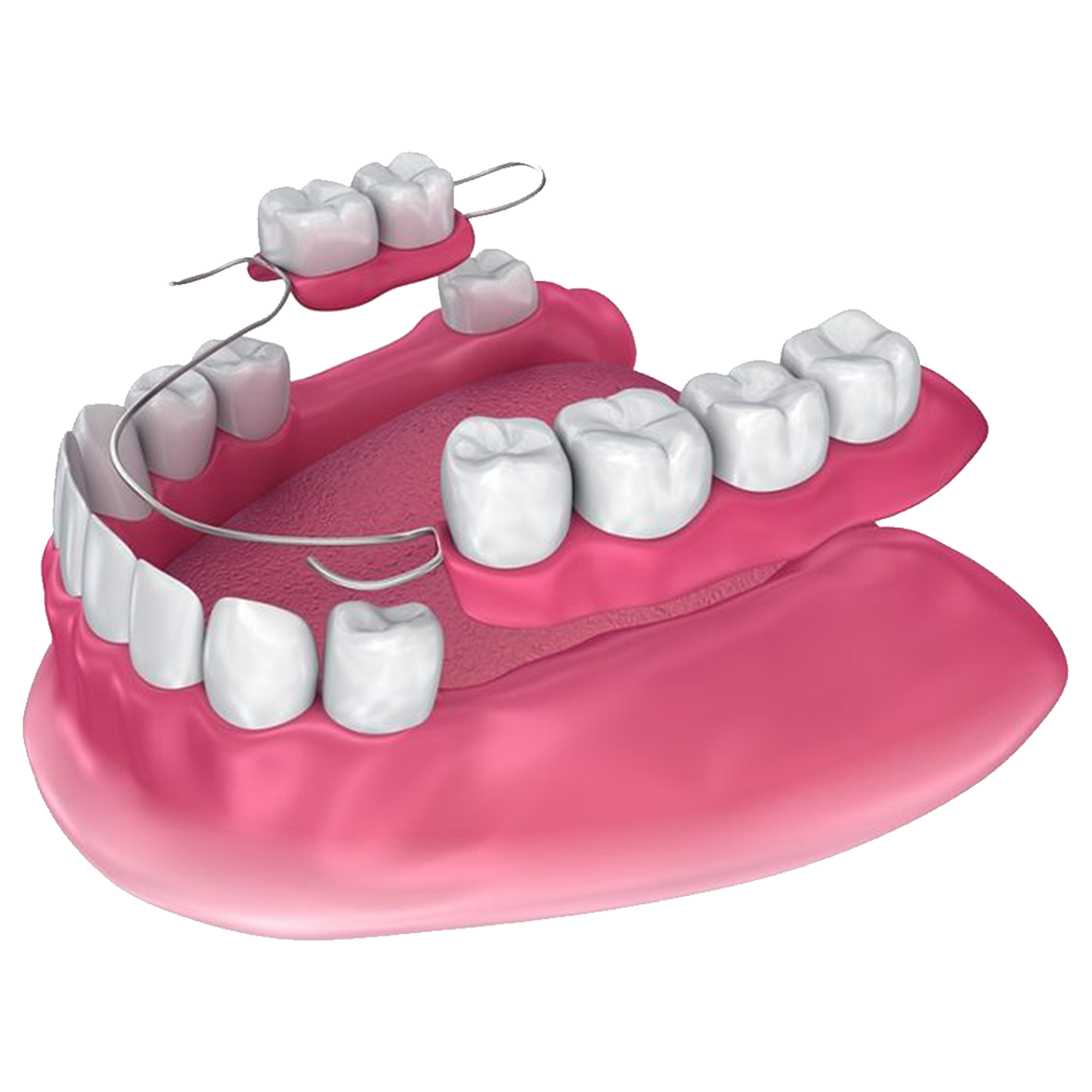
Types of Orthopedic Structures
Depending on the purpose of the prosthesis, a specific type of orthopedic structure is selected. The prosthesis can be a single crown or a structure with several artificial teeth.
A metal-ceramic prosthesis is a dental bridge or crown that is installed with support on adjacent intact teeth.
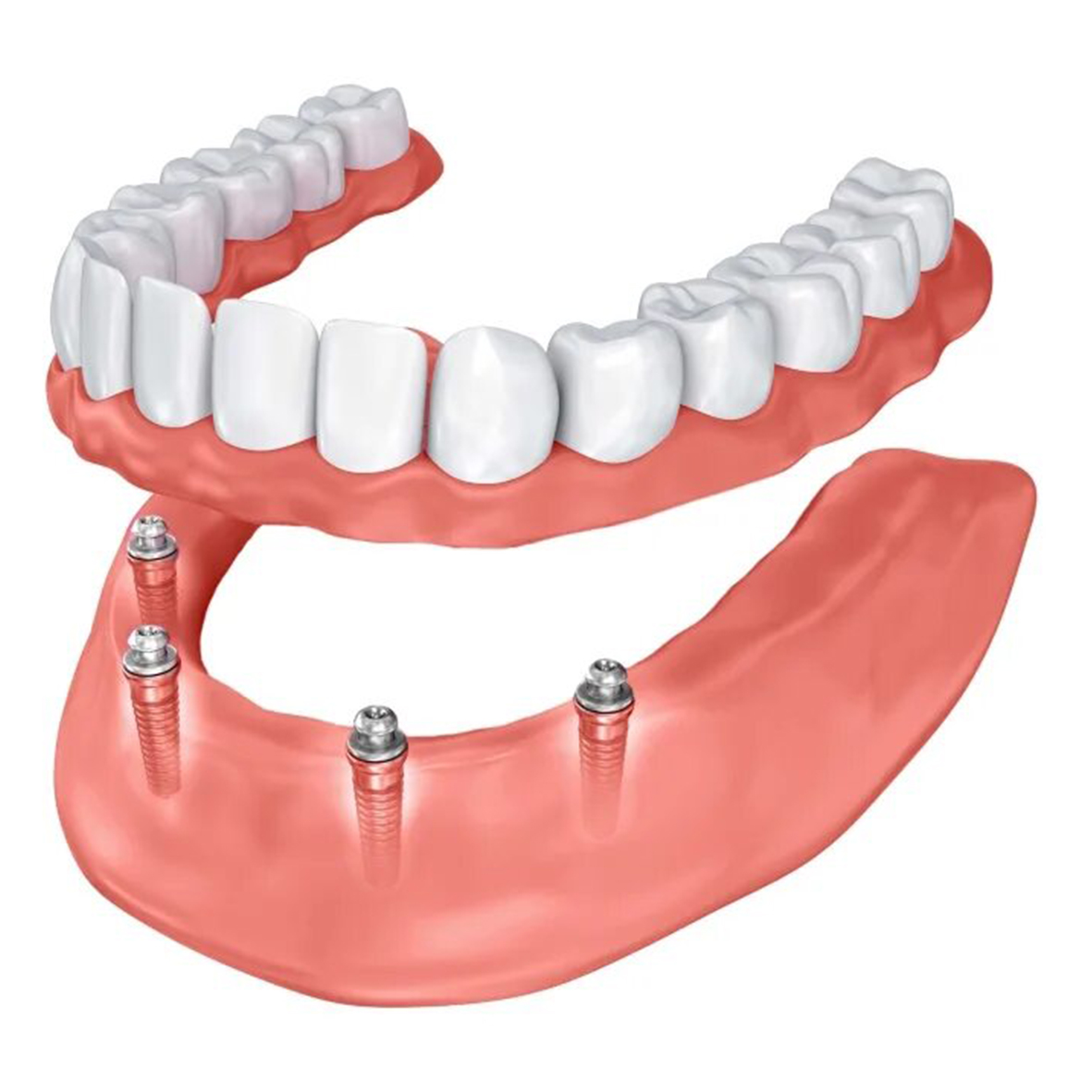
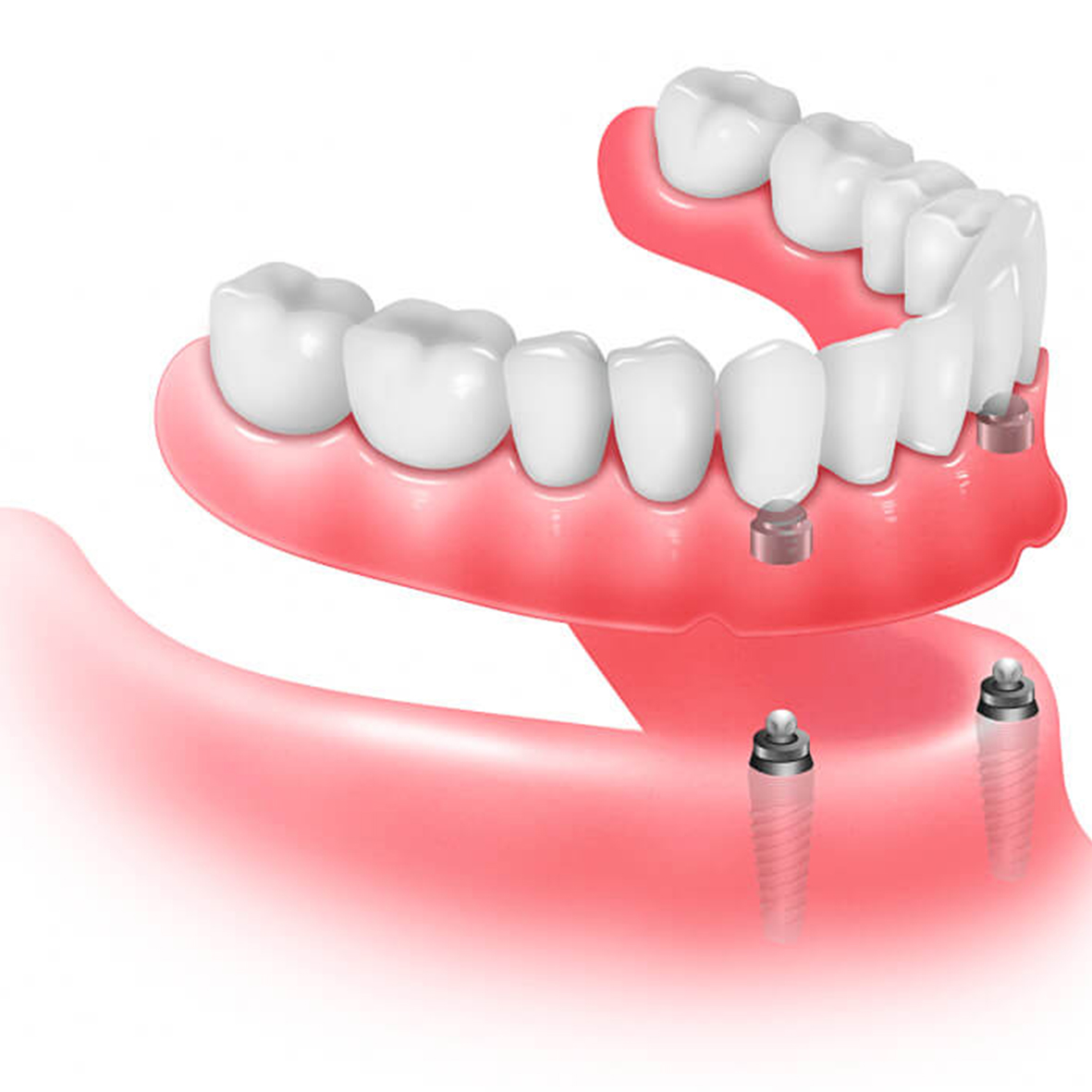
An implant-supported prosthesis is supported by strong pins in the jaw, not by adjacent teeth. A full or partial denture is attached to an “artificial root”—an implant.
Veneers are thin ceramic overlays bonded to the incisor and canine teeth. They are used to conceal aesthetic imperfections—to improve the shape, color, and size of teeth in the smile zone.
Removable dentures. Removable structures are optimal for edentulous (complete absence of teeth) or the absence of a large number of teeth in a row. They restore speech and aesthetics and are more affordable than fixed dentures. These may include:
- clasp dentures – artificial crowns on a metal arch secured with micro-locks, the structure can be removed for cleaning;
- removable acrylic and nylon dentures completely imitate gums and teeth, are easy to wear, and can be removed for hygienic cleaning;
- partial dentures, when several teeth are missing, are attached to the supporting teeth and quickly eliminate the aesthetic defect.
Materials for Dentures
Various materials are used to make dentures, ranging from polymers to metals. Common materials include plastic, metal alloys, zirconium dioxide, and ceramics.
Plastic includes nylon, acrylic, and other similar materials, often used for removable dentures. Polymers are durable, wear-resistant, and have an attractive appearance. They are inexpensive, but their lifespan is limited. Typically, such dentures need to be replaced after a couple of years due to discoloration and natural deformation.
Nickel-chromium and cobalt-chromium alloys are often used for metal dentures. They are durable, safe, and suitable for denture frames or all-metal structures. In rare cases, precious metals, such as gold, are used.
Dental ceramics are a good option for denture production. The material can be easily tinted to any shade and is virtually indistinguishable from a natural tooth. A special manufacturing technology makes this crown translucent at the edges, mimicking natural tissue.
In recent years, glass ceramics, which boast superior strength properties, have become increasingly popular in dentistry. Lithium disilicate, a reliable, durable, and translucent material, is used for dental glass ceramics.
Zirconium dioxide is often used for molar and posterior restorations. It is very strong, reliable, and durable. During manufacturing, it is coated with a thin outer layer of ceramic.
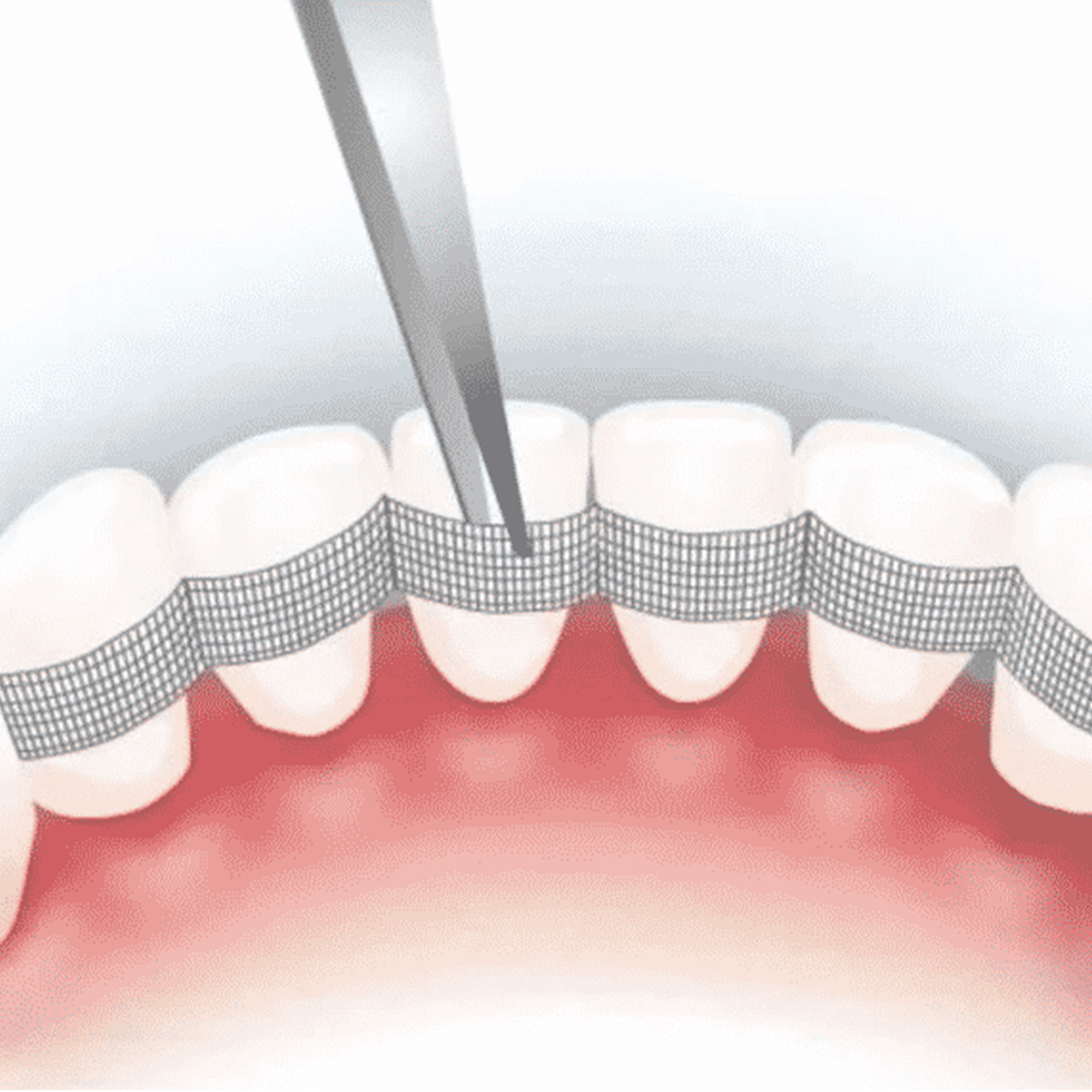
Advantages and Disadvantages of Dental Prosthetics
Dental prosthetics offers the following advantages:
- restoration of the aesthetics and functionality of teeth;
restoration of speech function; - protection of teeth from mobility, damage due to heavy loads, and excessive wear;
- restoration of facial contours, smoothing of nasolabial folds;
- the patient becomes more self-confident, and their quality of life improves.
The disadvantages of dental prosthetics include:
- the cost of treatment is relatively high, especially when implants are used;
- restoration takes a long time; restoring the aesthetics of teeth is not possible in a single visit;
- comprehensive dental treatment is often required beforehand;
- an adaptation period is required after denture installation;
- care of dentures must be meticulous and proper; excessive loads can cause the structure to break.