
 044-358-81-18




Orthodontics in Kyiv
Interstom Dentistry on Shulyavka
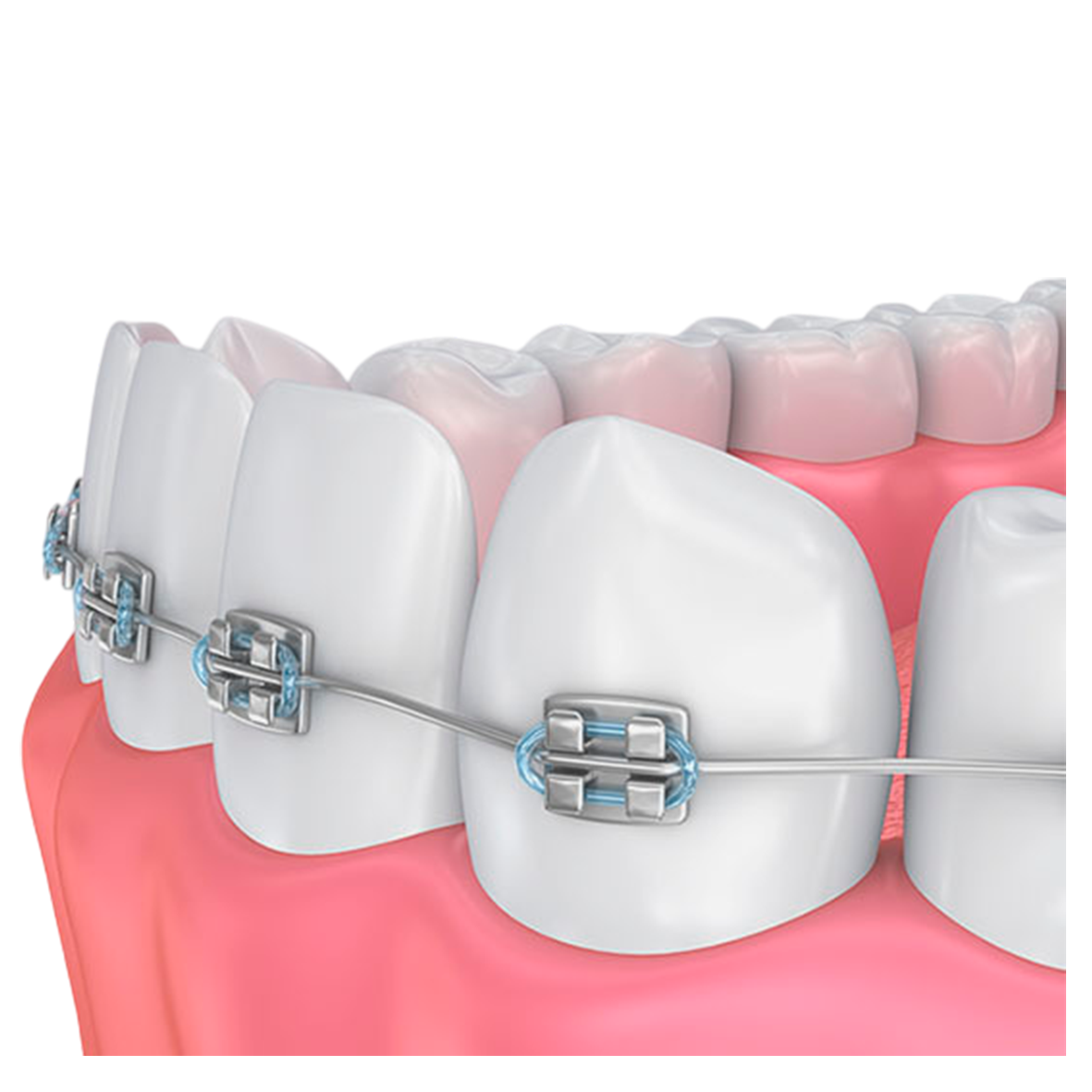
Orthodontics is a branch of dentistry that addresses malocclusion (both the position of individual teeth and the entire dental system).
It’s a mistake to think of orthodontics as solely a matter of aesthetic dentistry, as malocclusion often leads to digestive problems, poor posture, and headaches.
Therefore, even with visually straight teeth, a patient may need orthodontic treatment. Orthodontic treatment is performed by an orthodontist, but an oral surgeon may also be involved in bite correction.
A variety of systems are used to correct malocclusion, but they are divided into two main groups: removable and fixed. Treatment may utilize either one or the other (depending on the indication), or a combination of both. Orthodontic treatment is quite lengthy, lasting on average about two years, depending on the severity of the deformity and the patient’s age.
Why is bite alignment important?
Bite alignment is the process of correcting malpositioned teeth and jaws using orthodontic methods such as braces (metal, ceramic, sapphire, lingual), aligners (clear aligners), orthodontic plates, trainers, or surgery. The goal is to improve functionality, aesthetics, and overall oral health.
Misaligned teeth, in addition to aesthetic problems, also cause health problems. Tartar and irregular pockets form between teeth, leading to gum inflammation (periodontitis). Microbes easily enter the gastrointestinal tract through the oral cavity, often causing many chronic diseases. Correcting malocclusion also has a beneficial effect on facial appearance—after treatment, the cheekbones and chin are more prominent. Orthodontic treatment is an important step in improving your appearance and self-confidence.
Furthermore, according to statistics, 70% of children and adolescents under 14 require orthodontic treatment. Untreated bite problems in childhood are highly likely to lead to serious malocclusions in adulthood. Therefore, it is recommended to begin diagnosing and correcting bite problems from an early age. The earlier the problem is identified, the faster and more effective its treatment.
A timely visit to the orthodontist will help your child on the path to a beautiful and healthy smile and avoid lengthy, complex, and expensive treatment in the future.
The benefits of orthodontics at Interstom Dentistry
Qualified orthodontists in Kyiv, braces, aligners of the highest quality
High quality
We use the most modern orthodontic designs in Ukraine
Modern diagnostics
Our equipment allows us to accurately assess the condition and plan treatment
Qualified doctors
The best orthodontists in Kyiv, true professionals in their field
Customized solutions
We select the most optimal solutions for each patient of clinic
Transparent pricing
We take everything into account to ensure that the cost of the service is transparent and constant
Guarantee
The clinic provides a guarantee for all types of orthodontic services
When is it necessary to straighten your teeth?
In children aged 9-14, when baby teeth are replaced by permanent ones, which helps guide the growth of the teeth and jaw
To prevent diseases of the oral cavity, gastrointestinal tract, jaw joints, headaches, etc
For aesthetics, self-confidence, and comfort; to correct facial shape, posture, and gait
For a wonderful smile that lasts for years to come
How is treatment performed
Orthodontic treatment is quite lengthy, lasting on average about two years, depending on the severity of the deformity and the patient’s age.
During this period, there is constant contact between the doctor and the patient. The patient must regularly visit the clinic to correct any changes in the dental and jaw system, as well as undergo mandatory professional teeth cleaning.
The orthodontist monitors the condition of the teeth and gums, as they are subject to significant stress during treatment, and even a simple lack of oral hygiene can negate the results of orthodontic treatment. A team of dental specialists, led by the orthodontist, participates in orthodontic treatment.
1. Initial consultation and diagnostics
To begin orthodontic treatment, preparation is required: a patient examination, dental condition, and a detailed oral examination. Using modern equipment, we conduct diagnostics, analyze the bite, and tooth position.
2. Treatment Plan
Based on the information collected, the orthodontist selects the most effective option for teeth and bite alignment and develops a comprehensive treatment plan. The type of orthodontic appliances (braces, aligners, etc.) is determined, and the cost and duration of treatment are calculated.
At this stage, jaw x-rays are also taken, which will be used to create plaster models. These models are necessary for the production of future orthodontic appliances.
3. Preparation and installation of orthodontic appliances
Before the orthodontic stage, professional oral hygiene and sanitation are required: treatment of cavities and other dental conditions, professional teeth cleaning, and tooth extractions, if required by the treatment plan.
At this stage, the doctor installs the selected appliance: prepares the tooth surface, and secures the orthodontic appliances. The patient is also instructed on how to wear braces, care for them, oral hygiene, proper brushing technique, etc.
4. Active Teeth Alignment Period and Monitoring
Wearing any orthodontic appliance requires regularly scheduled visits to the clinic (usually every 4-6 weeks) so the orthodontist can monitor the treatment progress and make adjustments if necessary.
For braces, for example, this may involve adjusting the bracket position, gradually modifying the archwires to achieve the desired result, and, if necessary, using additional elements (elastic bands, springs) to speed up the process.
During this stage, the orthodontist monitors progress: periodically takes control X-rays and evaluates changes in tooth alignment. If necessary, the treatment plan is adjusted.
5. Maintaining the Results
After completing orthodontic treatment, it’s important to maintain and preserve the results long-term. Typically, after the appliances are removed, the patient is prescribed special mouth guards (either overnight or daily, worn for several hours) or a retainer—a thin metal wire attached to the back of the teeth.
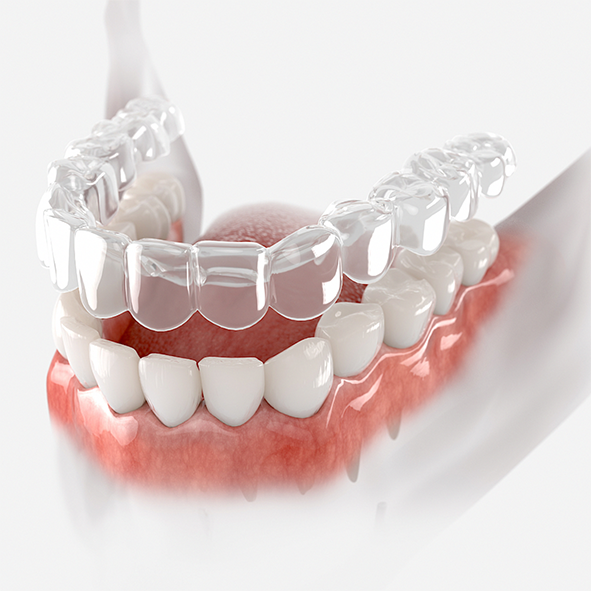
Types of Orthodontic Devices
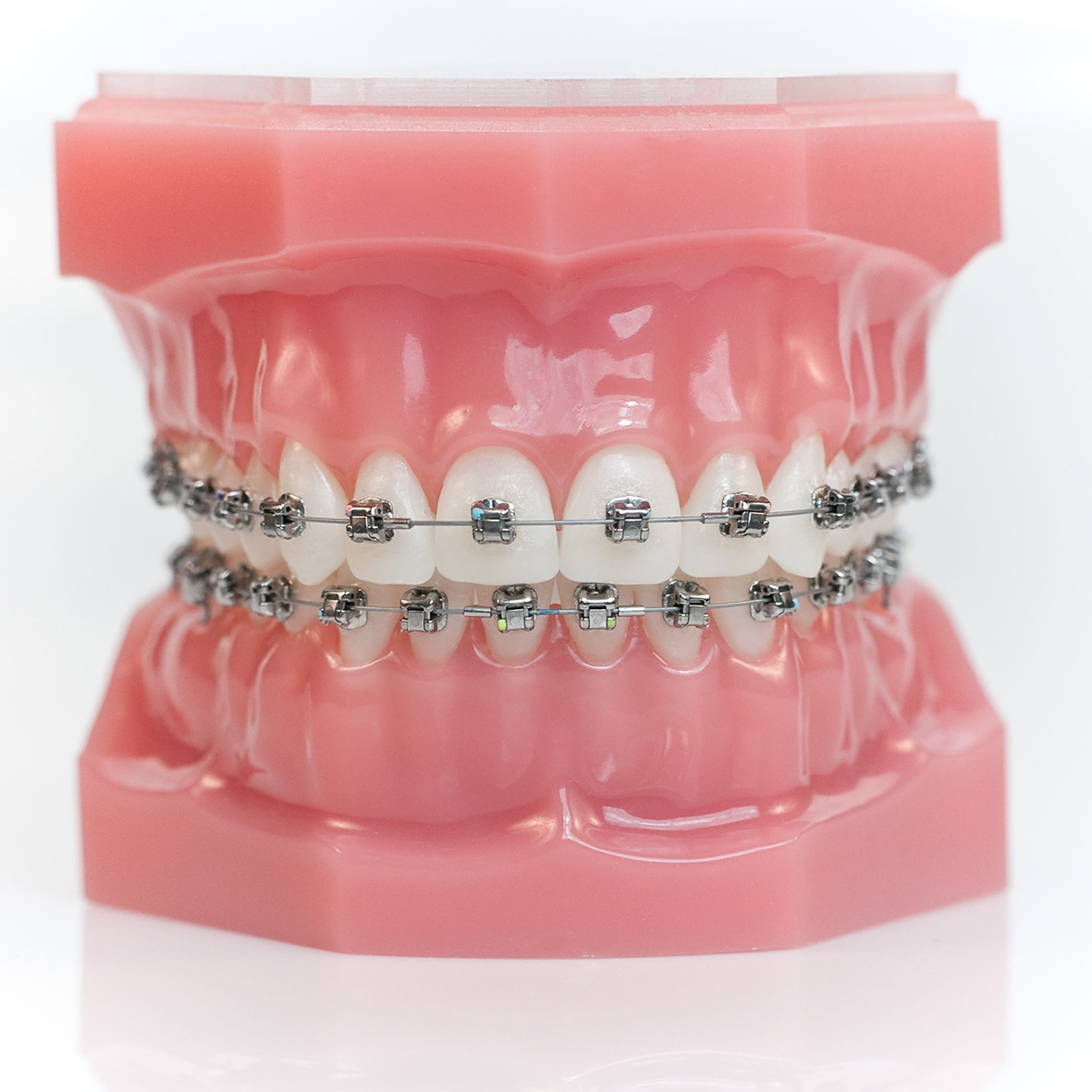
Braces are one of the most effective devices for correcting malocclusion in adolescents and adults. They address most dental problems and provide the most effective treatment outcomes. There are several types of brace systems. Metal braces are the most popular. Ceramic and sapphire systems offer the most aesthetically pleasing options. A combination of braces is also available: ceramic or sapphire braces are placed on the upper teeth, while metal braces are used on the less visible lower teeth. Combination braces offer an excellent combination of aesthetics and affordability.
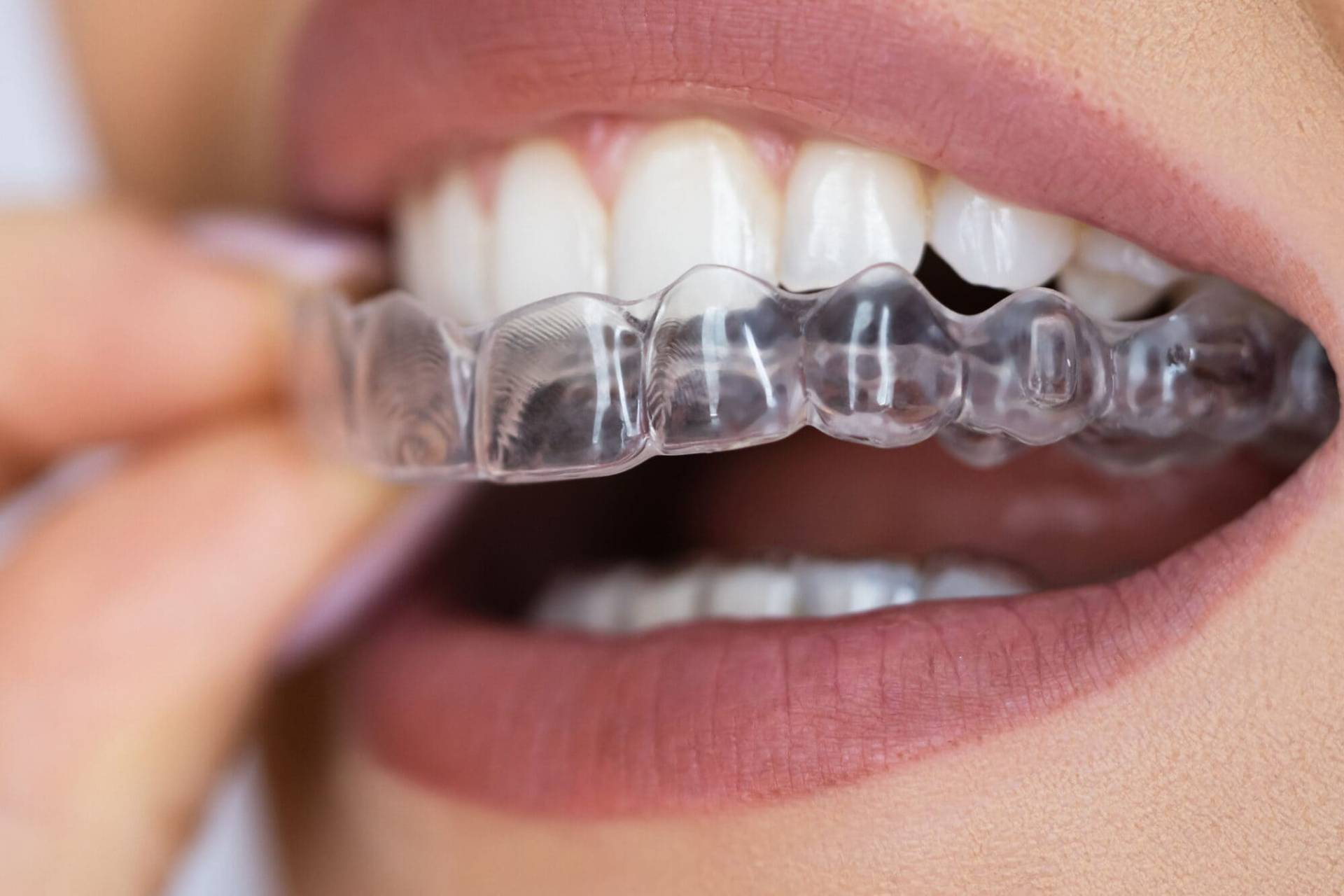
Aligners—transparent orthodontic aligners—can be an alternative to braces in certain clinical situations. A huge advantage of aligners is their transparency. The aligners are invisible on the teeth and do not cause any functional or psychological discomfort to the patient. Unlike braces, aligners are removable devices: they are removed from the oral cavity while eating and drinking, as well as during hygiene procedures.
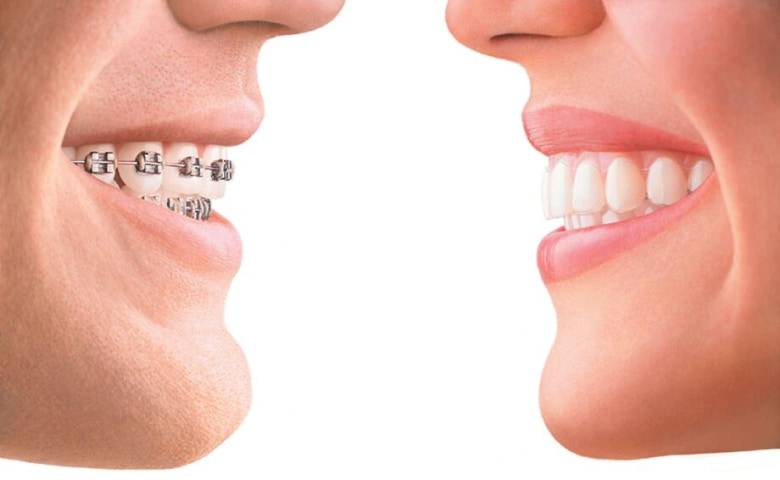
Braces or aligners?
The choice between braces and aligners depends on the complexity of the case, personal preference, and lifestyle. Braces are more effective for complex bite problems and are usually more affordable, but they are less aesthetically pleasing and require special care.
Aligners are ideal for mild to moderate cases; they are virtually invisible and can be removed for eating and hygiene, but they require discipline and are more expensive.
Types of braces by material:
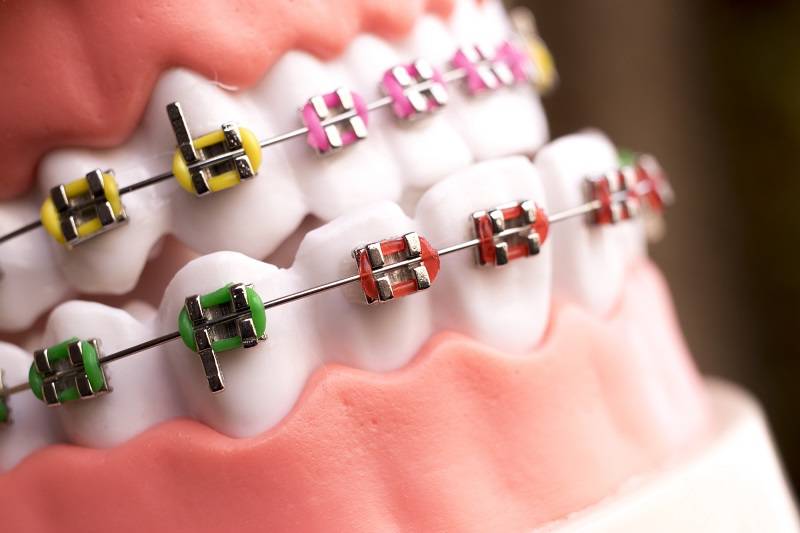
Metal braces
Metal braces are a classic solution for bite alignment. They are made of stainless medical steel, titanium, or nickel-titanium alloy.
Pros:
- Time-tested design, strong and durable;
- Suitable for correcting complex defects that require significant archwire tension;
- Low coefficient of friction, which reduces treatment time by an average of 1-2 months;
- Easy maintenance is not required;
- The price is significantly lower than that of ceramic and sapphire braces.
Cons:
- Unsightly appearance; many (especially teenagers) are self-conscious about braces;
- Possible patient allergy to metal.
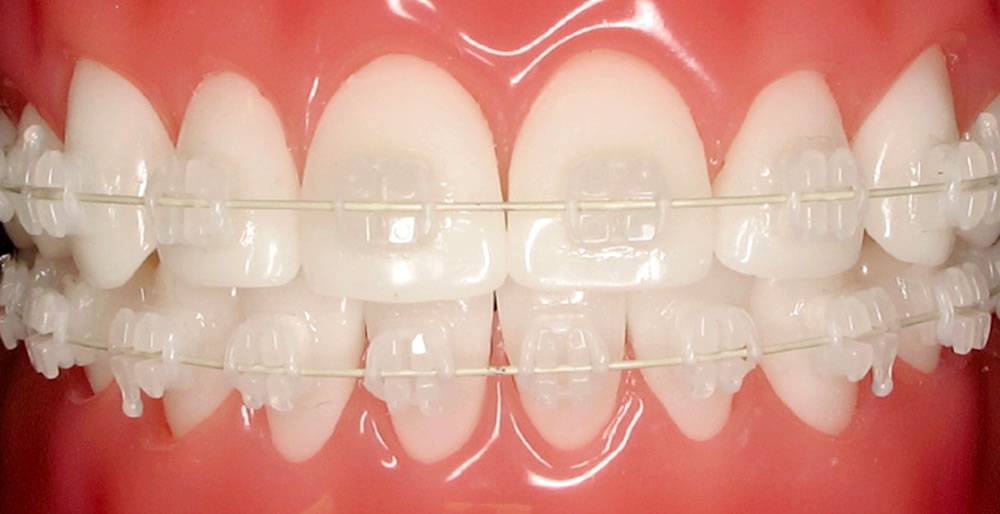
Ceramic Braces
The most popular aesthetic systems are made of ceramic. This is a polycrystalline aluminum oxide material whose color is close to the natural shade of human tooth enamel.
Pros:
- More aesthetically pleasing than metal braces – they are not completely invisible, but they are unobtrusive, making them a good choice for those with lighter enamel;
- Good biocompatibility – they do not cause allergic reactions;
- The most affordable among models with high aesthetic properties.
Cons:
- May change color when exposed to dyes found in food and drinks, such as coffee and red wine;
- Less durable than metal braces, which can crack due to increased mechanical stress;
- Treatment time is increased because the archwire pressure cannot be too high, otherwise the braces will fail.
Sapphire Braces
These braces are made of synthetic sapphire. The plates can be translucent or completely transparent, making the orthodontic appliance virtually invisible.
Pros:
- Good aesthetics – regardless of the enamel shade, the plates are virtually invisible when speaking or smiling;
- Resistance to food coloring – the color does not change, eliminating the need to change your diet;
- Chemically inert – the material does not provoke allergic reactions;
Low archwire friction – making wearing comfortable; - Plates can be customized to any size, even miniature ones – making it suitable for teenagers and people with microdontia, that is, those with naturally small teeth.
Cons:
- The main disadvantage of synthetic sapphire braces is their fragility. Therefore, patients should be especially careful when wearing them: the plates can break if accidentally hit or dropped.
- Insufficient strength also means that the archwire cannot be tightened sufficiently. Therefore, sapphire braces are used to correct simple defects.
Composite Braces
Fixed orthodontic appliances are made using composite materials, the main component of which is plastic. This is an inexpensive solution, often positioned as the most attractive for teenagers and for the correction of simple defects due to its fragility and low price.
Pros:
- The main advantage of plastic is that it can be dyed any color, from natural to vibrant, which often appeals to teenagers as an unusual accessory;
- low price.
Cons:
- They can only be used on the outer surfaces of teeth – they are not used in lingual appliances, which are placed on inner surfaces;
discoloration due to food coloring or smoking; - fragility, which often causes breakage during use;
- they cannot withstand strong archwire pressure and can only be used to correct simple dental problems.
Combination braces
Combination braces are made from two materials, such as metal and ceramic. Different materials can be used on different arches of teeth or in and around the smile zone. This allows for a combination of beauty and strength: for example, using ceramic in the smile zone and metal on the edges, where the chewing teeth are located. Commonly used combinations include metal and ceramic or metal and synthetic sapphire.
Pros:
- The ability to utilize the advantages of different materials, ensuring a beautiful aesthetic without sacrificing strength and reliability;
- cost savings.
Cons:
- a disadvantage of combination braces is that this type of orthodontic treatment may not produce the expected results, and its duration may be increased;
- aesthetic qualities are maintained only with careful care.
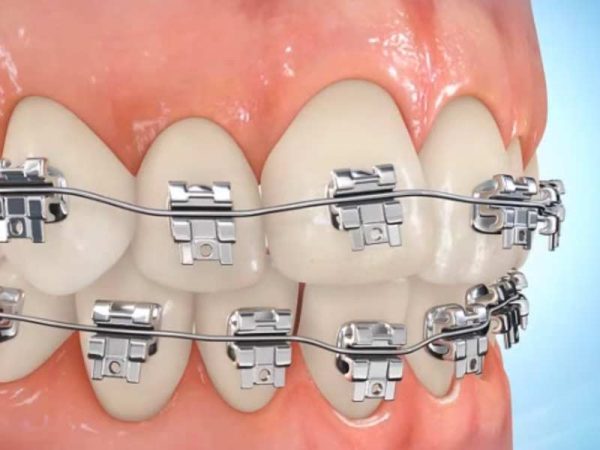
Ligature and Self-Ligating Braces
The difference between ligature and self-ligating braces lies in the way the archwire is secured. Ligature braces hold the archwire in place with ligatures (elastic bands or wires). Self-ligating braces secure the archwire with a built-in cover within the bracket itself.
With ligature braces, dental visits are required more frequently (approximately once a month), and treatment is often longer. With self-ligating braces, visits are less frequent (every 6-8 weeks), and treatment is typically faster and more comfortable.
Both systems are available in metal and aesthetic (ceramic or sapphire). With ligature braces, the elastics often stain and darken, which can affect the aesthetics.
The choice of system depends on the diagnosis, budget, aesthetic requirements, and willingness to commit to meticulous care. An orthodontist develops a plan after a thorough diagnosis.